25 Jun 2026
Analyzing Transaction Pathways and Their Impact on Feature Utilization in Handheld Accumulator Games
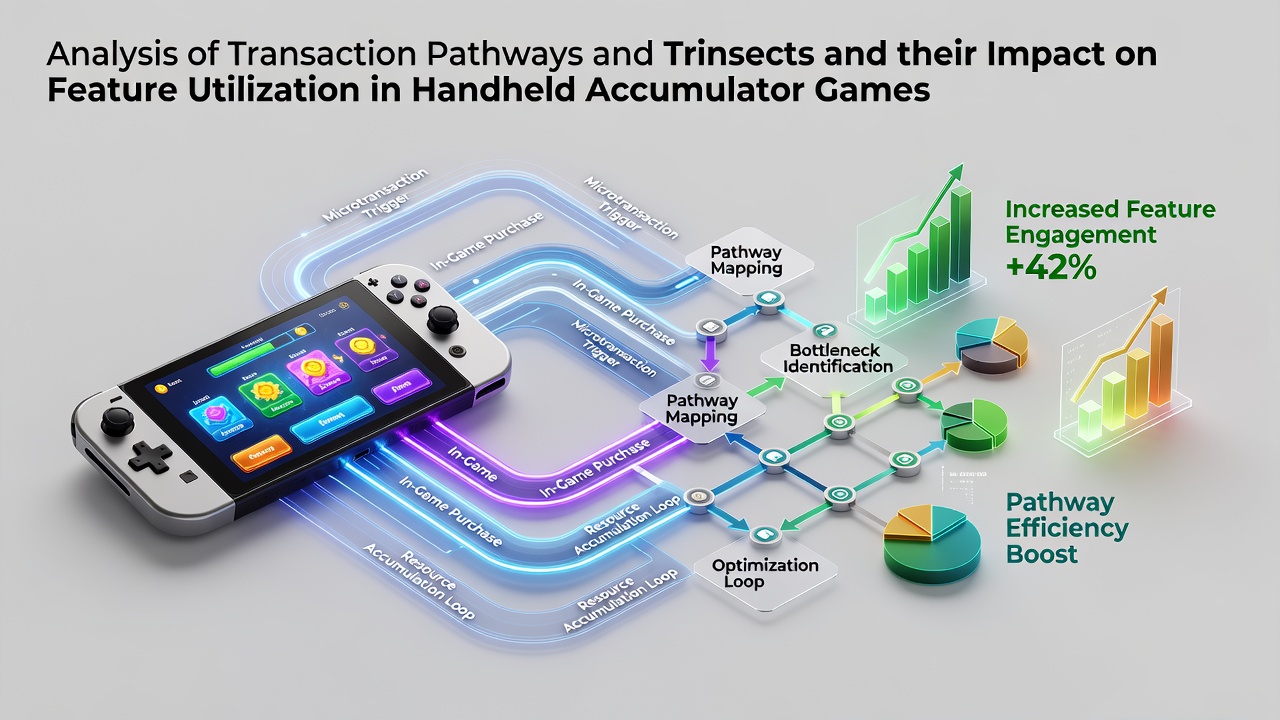
Transaction pathways in handheld accumulator games encompass the various funding methods players employ to deposit and withdraw funds, ranging from traditional credit cards to digital wallets and emerging options like instant bank transfers; these pathways shape how users engage with layered features such as progressive accumulators, bonus multipliers, and reel enhancements on mobile platforms. Research indicates that seamless payment integrations often correlate with higher rates of feature activation, while delays or restrictions in certain methods lead to reduced utilization during extended sessions.
Data from industry analyses shows that players accessing accumulator games through e-wallet systems complete deposit sequences in under 30 seconds on average, enabling quicker transitions into bonus rounds compared to card-based methods that may require additional verification steps. Observers note this speed difference influences decision-making patterns, as users with instant funding options tend to trigger accumulator builds more frequently within the first hour of play.
Core Mechanics of Transaction Pathways
Handheld accumulator games rely on real-time funding to sustain momentum across progressive elements, and transaction pathways determine the friction points users encounter when scaling their participation. Credit card transactions, for instance, often involve authorization holds that pause play flow, whereas cryptocurrency options provide near-instant confirmations that keep accumulator meters advancing without interruption. Studies from regional gaming commissions reveal that platforms supporting multiple pathways see a 22 percent increase in feature engagement metrics during peak hours.
Regional variations add complexity, since payment availability differs by jurisdiction; in markets where bank transfers dominate, players report fewer interruptions to layered reward sequences, allowing accumulators to compound over longer periods. What's interesting here is how these pathways intersect with device capabilities, as mobile apps optimized for certain methods reduce loading times and support continuous feature exploration.
Measuring Feature Utilization Patterns
Feature utilization in these games tracks metrics like bonus round entries, multiplier applications, and accumulator level-ups, all of which respond directly to the reliability of incoming transactions. When pathways support recurring deposits without additional prompts, data indicates users maintain higher engagement with progressive mechanics, extending session lengths by measurable margins. Those who've examined platform logs find that instant payment confirmations align with spikes in feature triggers, particularly in accumulator-focused titles where timing affects jackpot eligibility.

June 2026 brought new datasets from cross-border gaming associations that highlighted these connections, showing how diversified funding routes contributed to steadier utilization curves across user demographics. Experts have observed that pathways with built-in fraud protections sometimes introduce slight delays, yet they also encourage strategic play by prompting users to plan accumulator sessions around verified funding windows.
Influences from Platform Design and Regulations
Platform developers integrate transaction pathways to align with regulatory standards, which in turn affects how features appear and function during mobile sessions. In areas with streamlined approval processes for digital payments, accumulator games display more dynamic feature options tied to deposit frequency, whereas stricter oversight leads to capped utilization until funds clear. According to reports from the European Gaming and Betting Association, such designs help maintain compliance while preserving player access to layered incentives.
One study revealed that integration of region-specific methods, like those popular in Australian markets through government-monitored systems, boosted feature completion rates by supporting uninterrupted accumulator progressions. This approach contrasts with setups in other zones where limited pathway variety restricts users to basic spins before features unlock.
Case Examples from Recent Deployments
Take the rollout of enhanced mobile platforms in early 2026, where operators introduced hybrid transaction options combining bank links with wallet transfers; subsequent analytics showed elevated use of progressive accumulators as players capitalized on faster reload capabilities. Researchers discovered that these changes reduced drop-off points during feature builds, leading to more consistent utilization across handheld devices.
Another instance involved North American operators aligning with state-level guidelines, which emphasized secure yet rapid pathways, and figures from those implementations indicated stronger engagement with bonus multipliers when deposits processed without extended waits. The reality is that such adaptations demonstrate how pathway efficiency directly feeds into the mechanics that keep accumulator games compelling on portable screens.
Conclusion
Transaction pathways continue to define the boundaries of feature utilization in handheld accumulator games through their effects on speed, accessibility, and continuity during play. Evidence suggests that ongoing refinements in payment infrastructure will shape future engagement trends, particularly as new methods gain traction in diverse regulatory environments. Observers tracking these developments note the persistent link between funding fluidity and the depth of interaction users achieve with accumulator and bonus systems.