20 Aug 2026
Charting Interlinked Deposit Flows and Accumulator Prize Pathways Across Portable Reel Interfaces
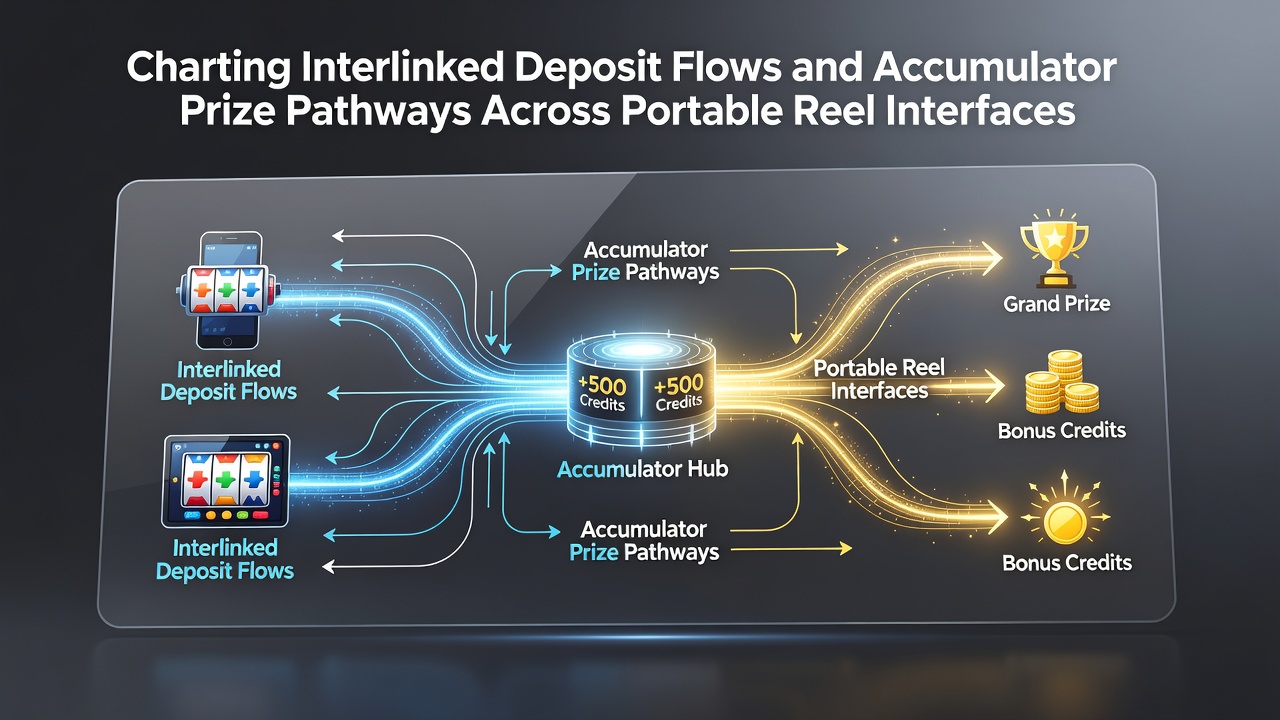
Portable reel interfaces continue to integrate payment processing systems with accumulator prize mechanisms in ways that link user deposits directly to progressive reward structures, and data from industry monitoring platforms shows these connections operate through multiple layers of transaction routing that update in real time during active sessions.
Payment gateways transmit funds from banking apps or digital wallets into gaming accounts, after which the systems allocate portions of each deposit toward accumulator pools that accumulate across networks of connected devices, while regulatory filings from various jurisdictions document how these allocations follow predefined percentages set by game operators and approved by oversight bodies.
Deposit Routing Mechanisms in Mobile Environments
Transaction logs reveal that deposits processed through credit cards, e-wallets, and bank transfers follow distinct pathways once they reach the application servers, and these pathways determine the speed at which portions reach the accumulator pools responsible for progressive jackpots on reel-based titles.
Systems often segment incoming funds into operational accounts and prize contribution accounts simultaneously, which allows operators to maintain liquidity while directing set amounts toward the shared prize funds that grow with every qualifying deposit across participating platforms.
Observers note that in August 2026 several platforms reported increased deposit volumes coinciding with expanded mobile compatibility updates, and these updates included refined routing protocols that reduced processing delays between deposit confirmation and prize pool contributions.
Accumulator Prize Pathway Construction
Accumulator pathways function by collecting micro-contributions from each deposit and wager placed on linked reel games, then distributing those contributions according to algorithms that factor in game type, wager size, and jurisdictional rules, while software dashboards display live updates of pool totals to users during play.
Research indicates that cross-platform linkages allow accumulators to draw from deposits made on different devices and operating systems, creating unified prize pools that participants access through any compatible portable interface connected to the same network.
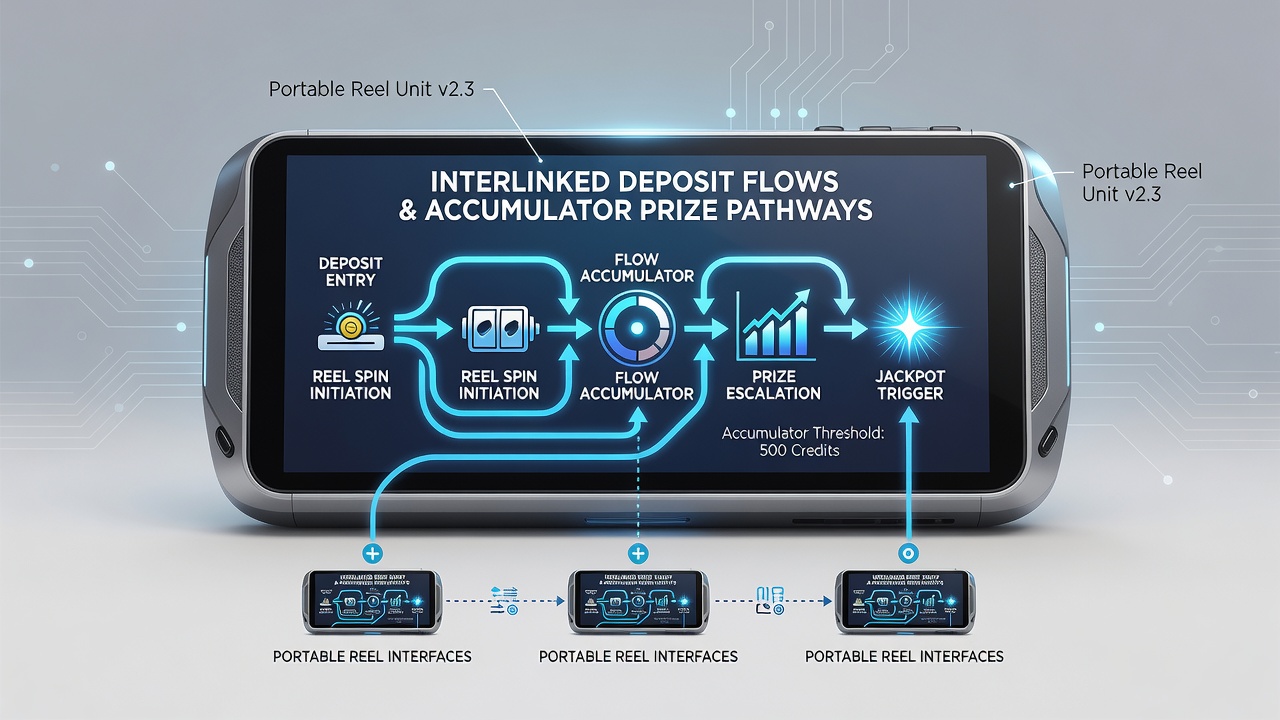
One study revealed that integration points between deposit processors and prize engines require synchronization at multiple checkpoints to prevent discrepancies, and these checkpoints include verification steps that confirm both the deposit amount and the applicable contribution rate before funds enter the accumulator ledger.
Regulatory Influences on Flow Structures
Jurisdictional requirements shape how operators configure deposit-to-prize pathways, with rules in different regions mandating specific reporting intervals and transparency measures that affect the timing and visibility of accumulator contributions, and filings with bodies such as the Nevada Gaming Control Board illustrate variations in these configurations across state lines.
Additional data from the Australian Communications and Media Authority shows that compliance frameworks in that region emphasize audit trails for every deposit segment allocated to prize pools, which in turn influences how portable applications display contribution percentages to users in real time.
Those who've examined platform architectures note that these regulatory layers add processing nodes within the overall flow without altering the fundamental connection between deposits and accumulators, and the added nodes serve primarily to satisfy documentation standards required by local authorities.
Interface Design and Transaction Visibility
Mobile reel applications present deposit flows and prize pathways through layered menus that allow users to track both incoming transactions and their impact on accumulator totals, and interface elements often include progress indicators that update after each deposit clears the initial processing stage.
Developers incorporate visual cues such as meter animations and contribution counters that reflect the movement of funds toward prize pools, while backend systems maintain separate ledgers that reconcile these displays with actual transaction records at regular intervals.
Platform assessments conducted in 2026 documented increased use of such visual tools following software updates that aligned display logic more closely with backend routing changes, and these updates occurred across multiple operating systems simultaneously.
Conclusion
Mapping the connections between deposit flows and accumulator prize pathways in portable reel interfaces requires attention to transaction routing protocols, regulatory reporting structures, and interface display functions that together determine how funds reach shared prize pools. Data collected through August 2026 demonstrates ongoing refinements in these systems as operators adjust to new compliance standards and device compatibility requirements, and continued monitoring by regulatory agencies provides the primary source of verified information on these interlinked processes.