17 Aug 2026
Cluster Pay Configurations Reshaping Session Dynamics in Digital Reel Environments
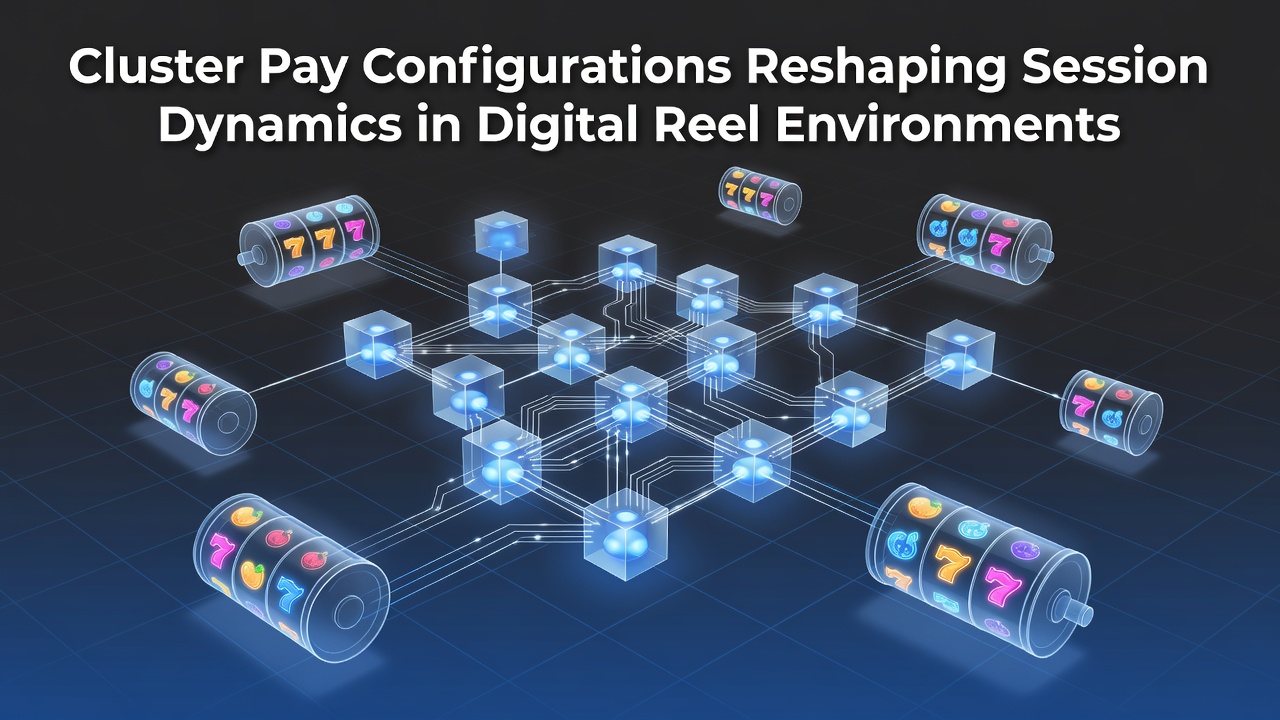
Cluster pay configurations have shifted how digital reel environments structure winning combinations, moving away from traditional fixed paylines toward groupings of adjacent symbols that form anywhere on the grid. Data from multiple markets shows these mechanics alter the frequency of smaller wins while influencing the overall length and pace of individual sessions. Observers note that players encounter more frequent but often lower-value payouts, which changes the rhythm compared to line-based systems that require specific alignments across predetermined paths.
Mechanics Behind Cluster Configurations
Cluster pays operate by awarding prizes when identical symbols appear in connected groups, typically requiring a minimum of five to eight symbols depending on the title. Researchers at gaming analytics firms have documented that this approach expands the number of potential winning positions on each spin because symbols no longer need to occupy exact reel positions. Studies indicate that the removal of fixed lines increases the total number of evaluated symbol combinations per spin, which directly affects payout distribution patterns over extended play periods.
Game developers have integrated cascading reels and symbol removals into many cluster titles, allowing new symbols to drop into vacated spaces and create additional evaluation cycles within a single spin. This layered process extends the duration of individual spins and contributes to longer average session times according to platform usage logs collected through 2025 and into mid-2026. In August 2026, several operators reported updated engagement metrics showing measurable differences in spin velocity when cluster titles were compared against legacy line-based games on the same platforms.
Impact on Session Length and Pacing
Session dynamics change because cluster configurations often produce more frequent base-game returns that keep reels in motion for additional cycles. Platform data reveals that users remain active for more spins on average when these mechanics are present, though the size of individual returns varies widely. Analysts tracking mobile and desktop environments have found that the combination of clusters with multiplier features or progressive elements can stretch engagement periods without requiring players to increase stake amounts proportionally.
One study released by an industry research group examined over 2 million sessions across European and North American operators and identified that cluster-based titles exhibited a 12 to 18 percent increase in average spins per session compared to traditional formats. The same report linked these patterns to the visual feedback of symbols exploding and reforming, which maintains continuous screen activity. External data from iGaming Ontario supports observations that players in regulated markets respond to the continuous reel activity by extending play without necessarily altering their overall time or deposit patterns.

Volatility and Return Distribution Patterns
Cluster mechanics redistribute volatility across the paytable because wins depend on symbol density rather than line coverage. Lower volatility titles using clusters tend to deliver frequent small clusters, while higher volatility variants require larger groupings or special symbol triggers to reach significant payouts. Industry reports compiled by Australian research organizations have shown that these distributions influence how bankrolls fluctuate during sessions, with some configurations producing steadier credit meter movement than line-based equivalents.
Developers adjust reel heights, symbol weights, and cluster size requirements to fine-tune these outcomes. Testing data from certification laboratories indicates that changes to minimum cluster size directly affect hit frequency, with each adjustment altering the number of spins needed to reach statistical payout targets. Those who have reviewed certification submissions note that regulators in multiple jurisdictions require detailed disclosure of these parameters before titles receive approval for live deployment.
Player Behavior and Feature Integration
Behavioral tracking across digital platforms shows that cluster titles often pair with additional mechanics such as wild expansions, symbol transformations, and bonus rounds that further modify session flow. These layers create sequences where a single spin can generate multiple evaluation rounds, extending the time between manual inputs. Figures from Canadian provincial gaming authorities indicate that titles combining clusters with free-spin or multiplier features record higher rates of continued play after bonus activations compared to standalone implementations.
Platform operators have responded by positioning cluster games within specific lobby categories that highlight continuous action. Usage statistics from 2026 demonstrate that promotional placement of these titles correlates with shifts in session metrics, particularly when operators highlight the non-linear nature of winning combinations. Research institutions examining player interaction logs have recorded that the visual density of clusters encourages repeated evaluation of the grid before the next spin initiates.
Conclusion
Cluster pay configurations continue to influence how sessions unfold in digital reel environments through changes in win frequency, spin duration, and payout distribution. Data collected through 2026 demonstrates consistent differences in engagement metrics when these formats are compared against traditional line structures. Regulatory bodies and analytics providers maintain ongoing monitoring of these patterns as operators expand their portfolios to include additional cluster variants across mobile and desktop channels.