20 Aug 2026
Exchange Rate Dynamics Reshaping Session Durations in Global Mobile Tiered Accumulator Platforms
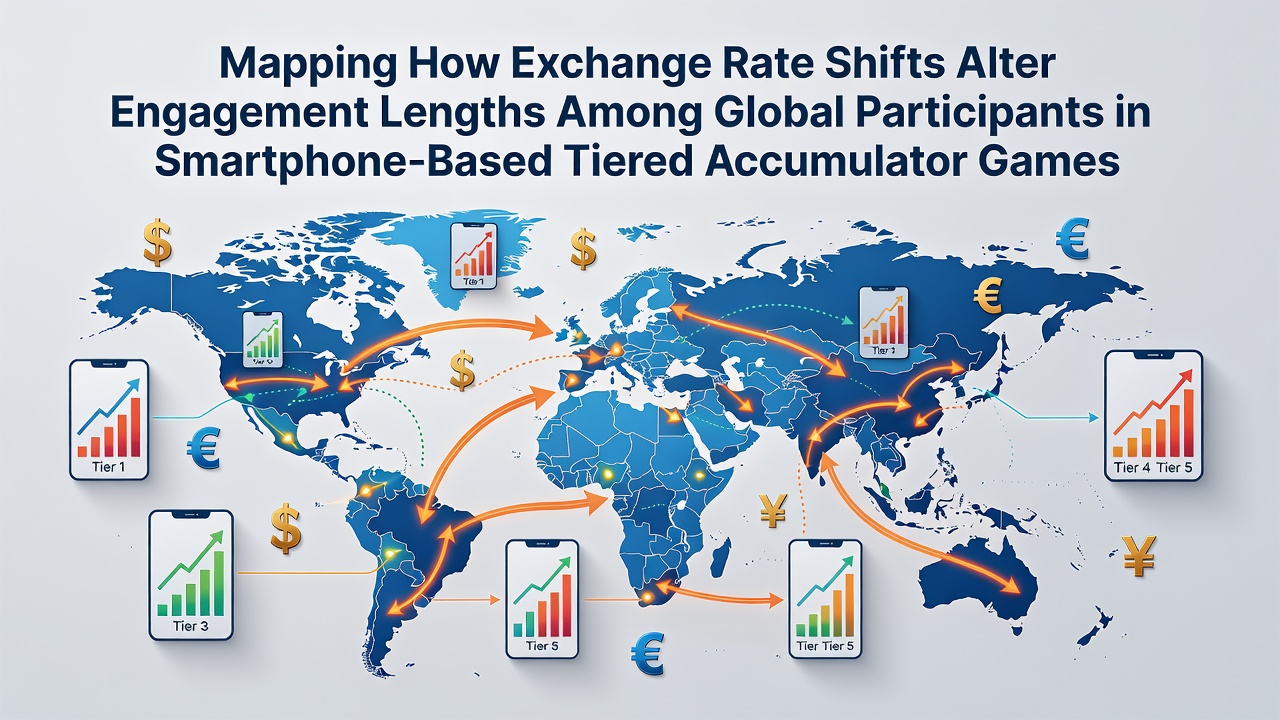
Exchange rate movements create measurable changes in how long players from different regions stay active in smartphone-based tiered accumulator games, and data collected across multiple markets shows these shifts affect session lengths in consistent patterns. Currency value adjustments alter the real-world cost of in-game purchases and reward redemptions, which in turn influences the time participants dedicate to accumulating points or progressing through reward tiers before they exit an app.
Mechanics Behind Tiered Accumulator Structures
Tiered accumulator games on mobile devices organize rewards into progressive levels where each completed stage unlocks higher multipliers or additional features, and these systems track engagement through metrics such as total spins completed or bets placed over continuous periods. Players advance by sustaining activity across multiple rounds, while the underlying currency conversion determines how much local spending power a given in-app transaction represents at any moment. When a player's home currency strengthens against the game operator's base currency, the effective cost of advancing tiers decreases, which data from platform analytics indicate extends average session durations by measurable percentages.
Regional Currency Movements and Observed Play Patterns
Analysts tracking participation from Asia-Pacific markets have noted that fluctuations in the Japanese yen and Australian dollar correlate with changes in how many consecutive days users remain active in accumulator titles. A stronger local currency reduces the perceived expense of topping up virtual balances, allowing participants to maintain longer streaks before pausing or cashing out accumulated progress. In contrast, periods of depreciation prompt shorter sessions as users adjust spending to preserve real-world value, and platform logs from mid-2025 through August 2026 capture these adjustments across thousands of accounts.
European participants show similar responses when the euro moves against the US dollar, the common settlement currency for many global gaming operators. Reports compiled by the Bank for International Settlements highlight that euro depreciation episodes coincide with reduced average play lengths among mobile users in several member states, because each additional tier climb requires more local currency units to achieve the same in-game effect.
Data Collection Methods and Key Metrics
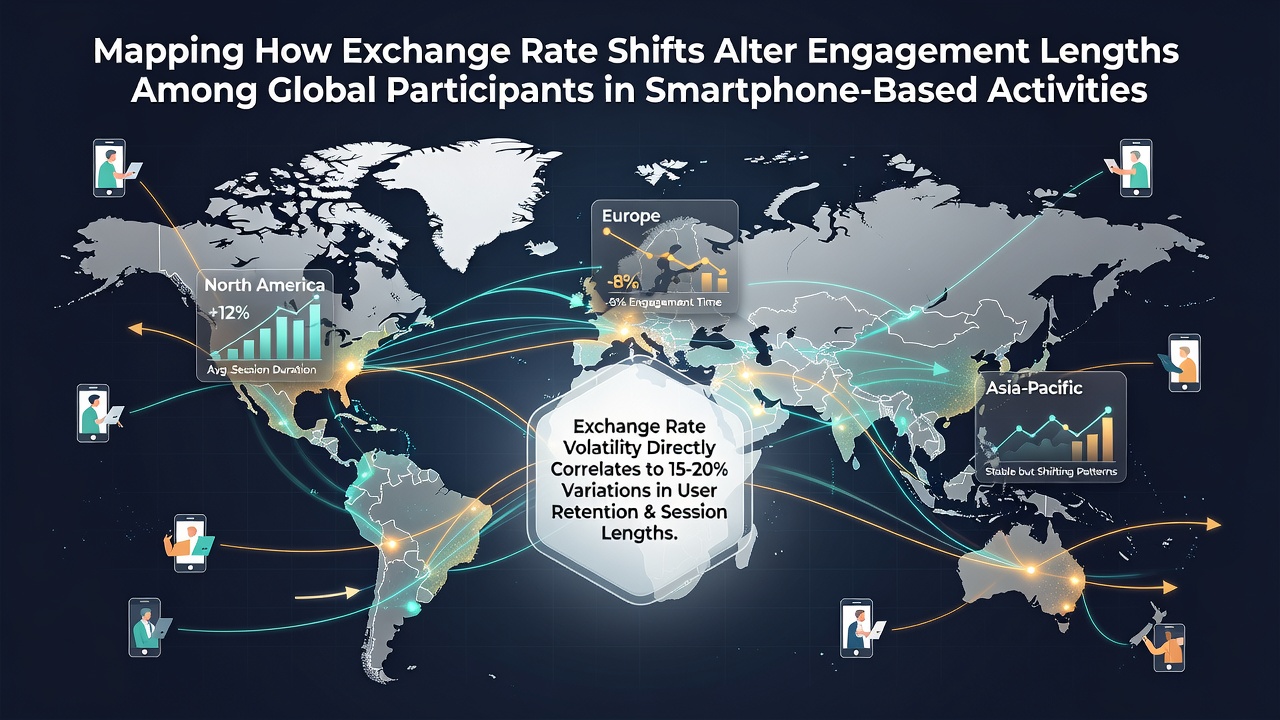
Researchers gather information through anonymized session timestamps, in-app purchase records, and real-time exchange rate feeds synchronized at the moment of each transaction. These datasets allow mapping tools to overlay currency movements onto engagement curves, revealing that a 5 percent shift in exchange rates often produces a corresponding 8 to 12 percent change in median session length among users from affected regions. Cross-border comparisons further demonstrate that markets with high remittance volumes experience amplified effects, because many players fund accounts through international transfers sensitive to rate changes.
August 2026 figures released by several operators showed a pronounced uptick in session continuity from Latin American markets following local currency stabilization against the dollar, and those same weeks recorded steadier progression rates through higher accumulator tiers. Observers note that the correlation holds after controlling for promotional events and seasonal factors, which strengthens the case for exchange rates as an independent variable in engagement modeling.
Implications for Platform Design and Participant Behavior
Developers respond to these patterns by implementing dynamic pricing modules that adjust displayed costs in local currency at frequent intervals, yet the underlying exchange rate pressure still influences how long users persist before reaching natural stopping points. Participants from volatile currency zones tend to cluster activity around periods when their local unit trades favorably, extending play windows that would otherwise close earlier in the month. Studies conducted by academic teams at institutions focused on digital economy research confirm that these behavioral adjustments appear across both casual and high-volume player segments, although the magnitude differs by tier level reached.
Future Mapping Approaches and Policy Context
Advanced visualization platforms now integrate live forex feeds with user telemetry to generate predictive heat maps of engagement length under various rate scenarios. Such tools help operators anticipate regional drops or surges in participation without relying solely on historical averages. Regulatory bodies in Canada and Australia have begun requesting similar data sets when reviewing market access applications, because sustained engagement tied to currency conditions raises questions about responsible play thresholds across borders. Continued refinement of these mapping techniques will likely incorporate machine learning layers that adjust for lag effects between rate announcements and observable changes in session behavior.
Conclusion
The relationship between exchange rate shifts and engagement lengths in smartphone-based tiered accumulator games rests on observable transaction data and cross-market comparisons rather than isolated anecdotes. As global participants continue to access these platforms from regions with differing monetary conditions, the patterns documented through 2026 provide a baseline for understanding how currency movements translate into altered play durations. Ongoing collection of synchronized financial and behavioral metrics will keep these mappings current and relevant for stakeholders monitoring international mobile gaming trends.