13 Jul 2026
How Audio Design Elements Steer Engagement Rhythms in Contemporary Handheld Reel Platforms
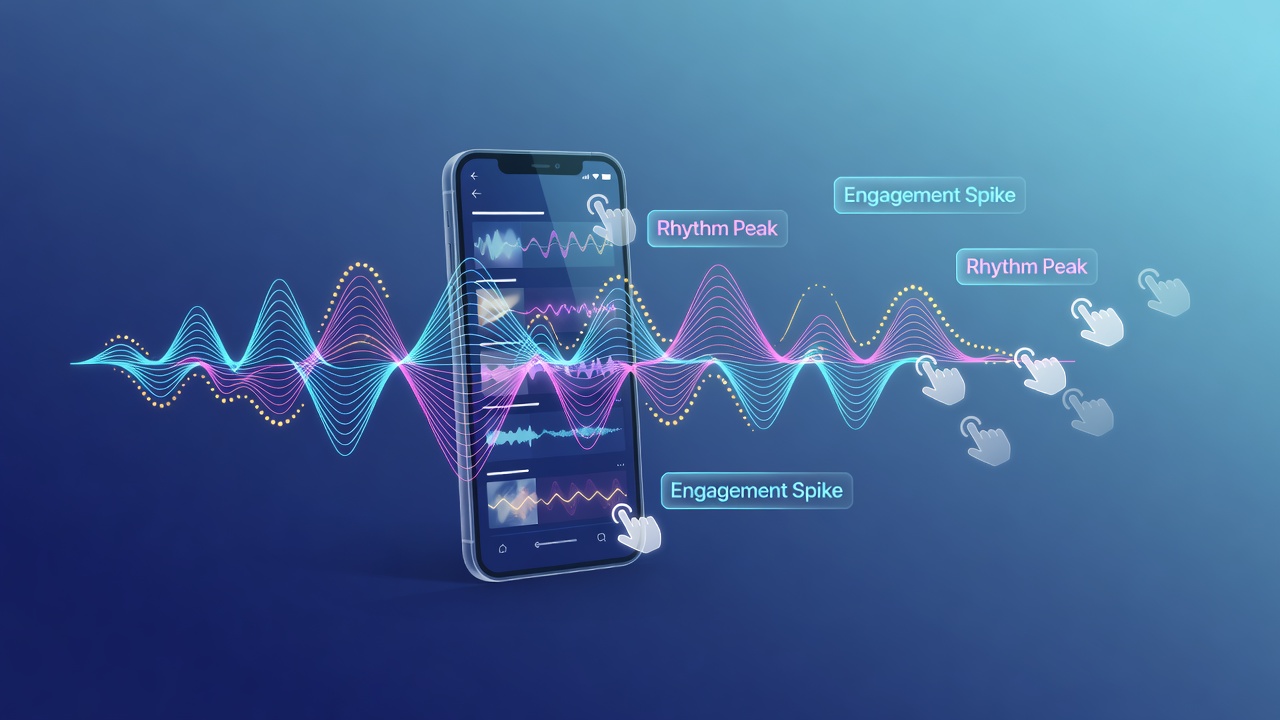 Contemporary handheld reel platforms rely on carefully calibrated audio layers to guide player pacing and session duration, and researchers have documented how specific sound frequencies align with reel mechanics to sustain attention across extended play periods. Data from multiple device telemetry studies show that synchronized audio cues during symbol alignments create measurable increases in tap frequency, with patterns emerging most clearly in sessions exceeding fifteen minutes. Sound designers integrate layered audio tracks that respond dynamically to game states, and this responsiveness produces engagement cycles that mirror the mechanical rhythm of the reels themselves. When a near-miss sequence triggers a rising tonal cluster followed by a brief silence, players tend to accelerate their input rate before the next spin resolves, according to aggregated interaction logs collected across several major platforms in early 2026.
Reel Spin Acoustics and Temporal Structuring
Each reel rotation carries its own sonic signature, typically a low-frequency hum that accelerates into higher-pitched clicks as symbols approach the payline. These acoustic markers divide the spin into distinct phases, allowing players to anticipate resolution points without visual confirmation alone. Observers note that platforms using variable spin durations paired with matching audio length adjustments report steadier engagement curves throughout the day, particularly during afternoon hours when mobile usage peaks.
Manufacturers have adjusted these audio progressions in response to regional preference data collected through July 2026, shifting emphasis toward shorter, more percussive reel sounds in markets where average session length has trended downward. The adjustments maintain core engagement rhythms while accommodating shorter attention windows reported in user analytics.
Win and Near-Miss Auditory Signatures
Victory chimes occupy a narrow frequency band that studies link to heightened arousal responses, and designers place these tones immediately after symbol settlement to reinforce the association between reel outcome and reward. Near-miss audio follows a different pattern, often employing dissonant intervals that resolve only on the final reel, and telemetry indicates this structure extends time between spins by fractions of a second that accumulate across hundreds of plays.
One analysis of session data from North American operators revealed that platforms incorporating graduated win sounds, starting with subtle chimes and building to fuller orchestral layers on larger payouts, sustain longer play intervals compared with uniform audio rewards. The progression mirrors payout magnitude without requiring on-screen text updates, keeping visual focus on the reels.

Background Music and Mood Modulation
Ambient tracks loop at volumes calibrated to remain below foreground effects, yet they establish an overarching tempo that influences spin cadence. Platforms using adaptive music systems, which increase tempo during bonus rounds and soften during base game stretches, record more consistent spin intervals according to internal metrics shared by several developers. Research conducted by the Australian Gambling Research Centre has examined how these musical shifts correlate with self-reported immersion levels across different age cohorts.
Regional regulatory frameworks in Ontario and several Australian states now require disclosure of adaptive audio features in game certification submissions, ensuring operators document how sound changes interact with prize structures. These requirements have prompted designers to log audio state transitions alongside traditional random number generator outputs.
Silence, Tension, and Recovery Periods
Strategic insertion of brief audio gaps serves as a reset mechanism between high-intensity sequences, and data shows these pauses reduce rapid-fire spinning while preserving overall session length. When silence follows an extended bonus round, players exhibit a measurable drop in spin rate for the subsequent three to five plays, after which engagement stabilizes at baseline levels. This pattern appears consistently in logs from both European and North American servers.
Design teams increasingly treat silence as an active design element rather than an absence of sound, timing these intervals to coincide with visual reel resets. The approach prevents auditory fatigue during marathon sessions and supports the longer engagement windows observed in progressive reel titles released after mid-2025.
Device-Specific Audio Calibration
Handheld platforms must account for speaker limitations and headphone usage patterns, and engineers apply dynamic range compression that preserves clarity across both output modes. Studies tracking engagement on tablets versus phones indicate that platforms optimized for smaller speakers maintain steadier interaction rhythms when low-frequency content is attenuated and mid-range effects are emphasized.
July 2026 firmware updates across several major mobile operating systems introduced improved spatial audio support, prompting reel developers to add directional sound cues that shift based on device orientation. Early metrics suggest these enhancements further align audio feedback with physical interaction gestures, though comprehensive longitudinal data remains under collection.
Conclusion
Audio design in contemporary handheld reel platforms functions as a timing instrument that shapes the tempo of player decisions, and the integration of spin mechanics, reward signals, ambient layers, and calculated silences produces measurable engagement rhythms documented across multiple markets. Regulatory bodies continue to examine these systems as part of broader responsible gaming frameworks, while developers refine calibration techniques in response to device and regional usage data. The interplay between sound architecture and mechanical reel cycles remains a central factor in how sessions unfold on mobile screens worldwide.