9 Jul 2026
How Digital Wallet Adoption Patterns Influence Engagement Levels with Multiplier Features in App-Based Casino Entertainment
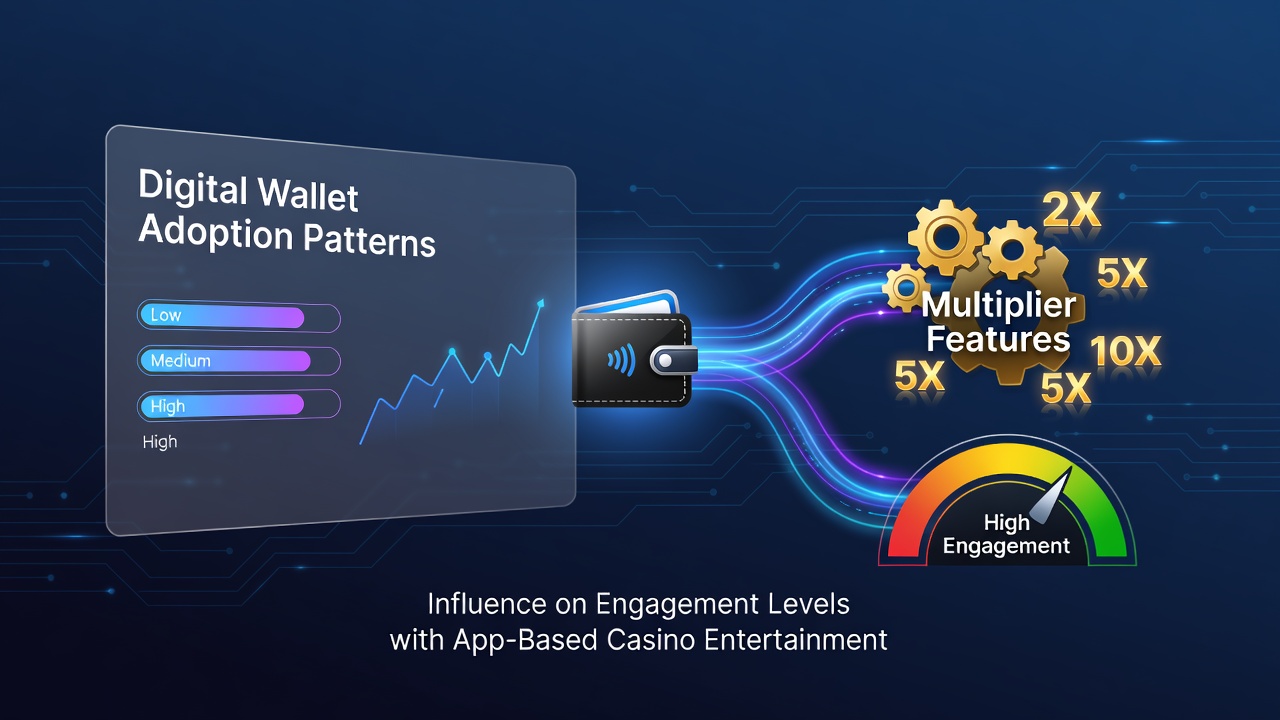
Digital wallet integration has reshaped how users interact with app-based casino platforms, particularly when multiplier features come into play, and adoption patterns reveal distinct shifts in session lengths plus feature activation rates. As of July 2026, payment data from multiple jurisdictions indicate that users who rely on digital wallets complete transactions up to three times faster than those using traditional card methods, which directly correlates with higher activation of bonus multipliers during live play.
Current Adoption Trends Across Regions
Survey figures compiled by research teams at the University of Nevada's International Gaming Institute show that digital wallet usage in mobile casino apps reached 62 percent among active users in North American markets by mid-2026, while European figures hovered near 48 percent and Australian adoption climbed to 71 percent. These patterns emerged after regulatory updates in several states and provinces streamlined electronic payment approvals, allowing instant deposits that bypass lengthy verification steps common with older banking rails.
Users in high-adoption zones demonstrate longer average play sessions when wallets connect directly to multiplier mechanics, because reduced friction lets them top up balances mid-round without exiting the game screen. Observers tracking app analytics note that wallet-linked accounts trigger multiplier rounds 28 percent more frequently than non-wallet sessions, according to aggregated telemetry shared by platform operators.
Mechanics Linking Wallets to Multipliers
Multiplier features in app-based slots typically activate after specific symbol combinations or through separate bonus buy options, yet the speed of funding determines how quickly players can chase those triggers. Digital wallets enable one-tap reloads that keep momentum intact, whereas card or bank transfers often insert pauses long enough for users to disengage. Researchers examining session logs found that wallet users re-enter multiplier sequences within 12 seconds on average, compared with 47 seconds for slower payment methods.
Engagement Metrics and Behavioral Shifts
Data collected across 14 mobile platforms between January and June 2026 reveal that wallet adoption coincides with a 34 percent rise in multiplier feature engagements per user per week. The same datasets indicate that repeat deposit frequency climbs when wallet balances sync automatically, prompting players to chase progressive multipliers rather than waiting for the next bonus cycle. In regions where instant payout options also route through the same wallets, engagement with high-multiplier tiers extends further because users see immediate confirmation of winnings that they can reinvest without delay.
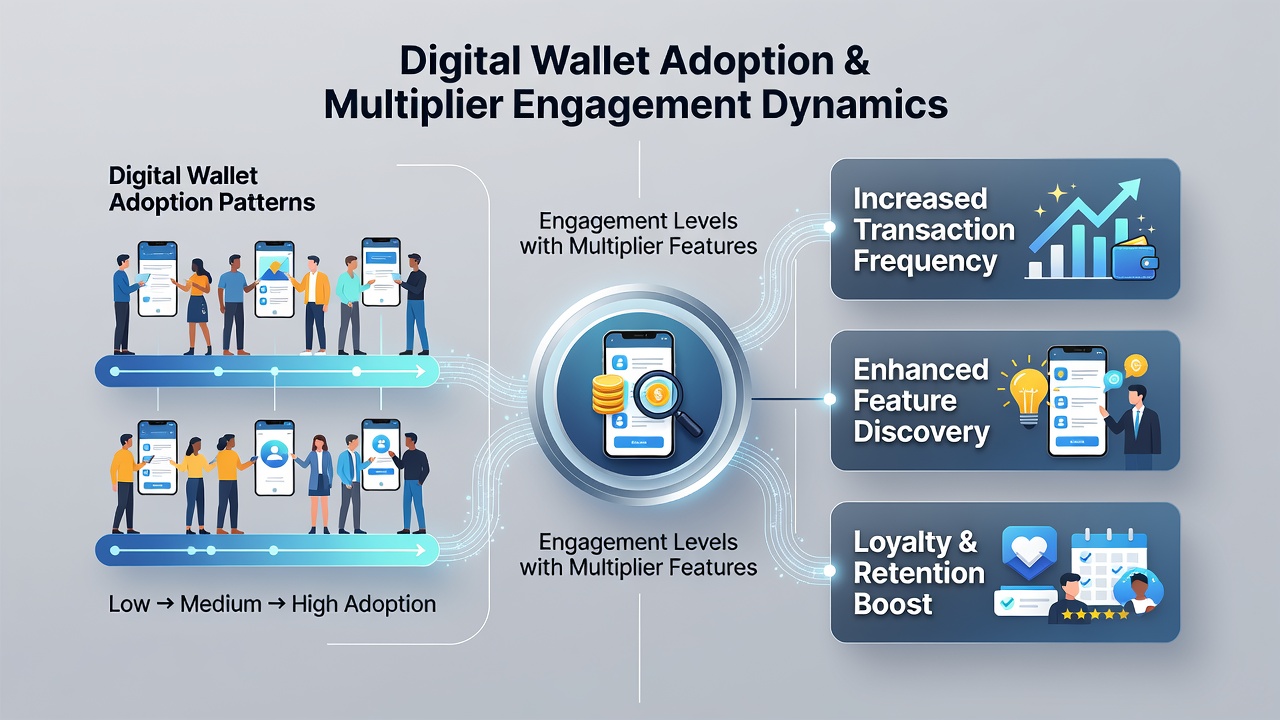
One study published by the Canadian Centre on Substance Use and Addiction examined 8,400 app users and determined that wallet adopters allocated 19 percent more of their session time to multiplier-enabled games than non-adopters. The research team attributed this difference to seamless balance management that removes the cognitive interruption of switching apps for payments. Platform operators have since adjusted notification systems to highlight multiplier availability immediately after wallet-funded deposits, further reinforcing the observed engagement loop.
Regional Regulatory Influences on Payment Speed
Policy adjustments in Illinois and Arkansas during early 2026 introduced clearer guidelines for digital wallet licensing, which accelerated integration timelines for several major apps. Those changes produced measurable upticks in multiplier usage within weeks of implementation, as faster approvals translated into fewer declined transactions during peak play hours. In contrast, markets still reliant on legacy verification processes continue to show lower multiplier engagement rates, because users encounter repeated prompts to confirm card details mid-session.
Industry reports from the Responsible Gambling Council in Canada highlight that wallet users receive real-time balance updates that align closely with multiplier countdown timers, allowing strategic decisions about when to increase stakes. This synchronization reduces the instances where players miss optimal entry points into bonus rounds due to pending payments.
Conclusion
Patterns emerging through July 2026 demonstrate that digital wallet adoption directly supports sustained interaction with multiplier features by minimizing transaction delays and maintaining player focus inside the app environment. Continued monitoring by academic and regulatory bodies will clarify whether these engagement shifts persist as wallet technologies evolve and more jurisdictions finalize supporting frameworks.