30 May 2026
Mapping payment infrastructure influences on extended engagement patterns within portable progressive reel systems
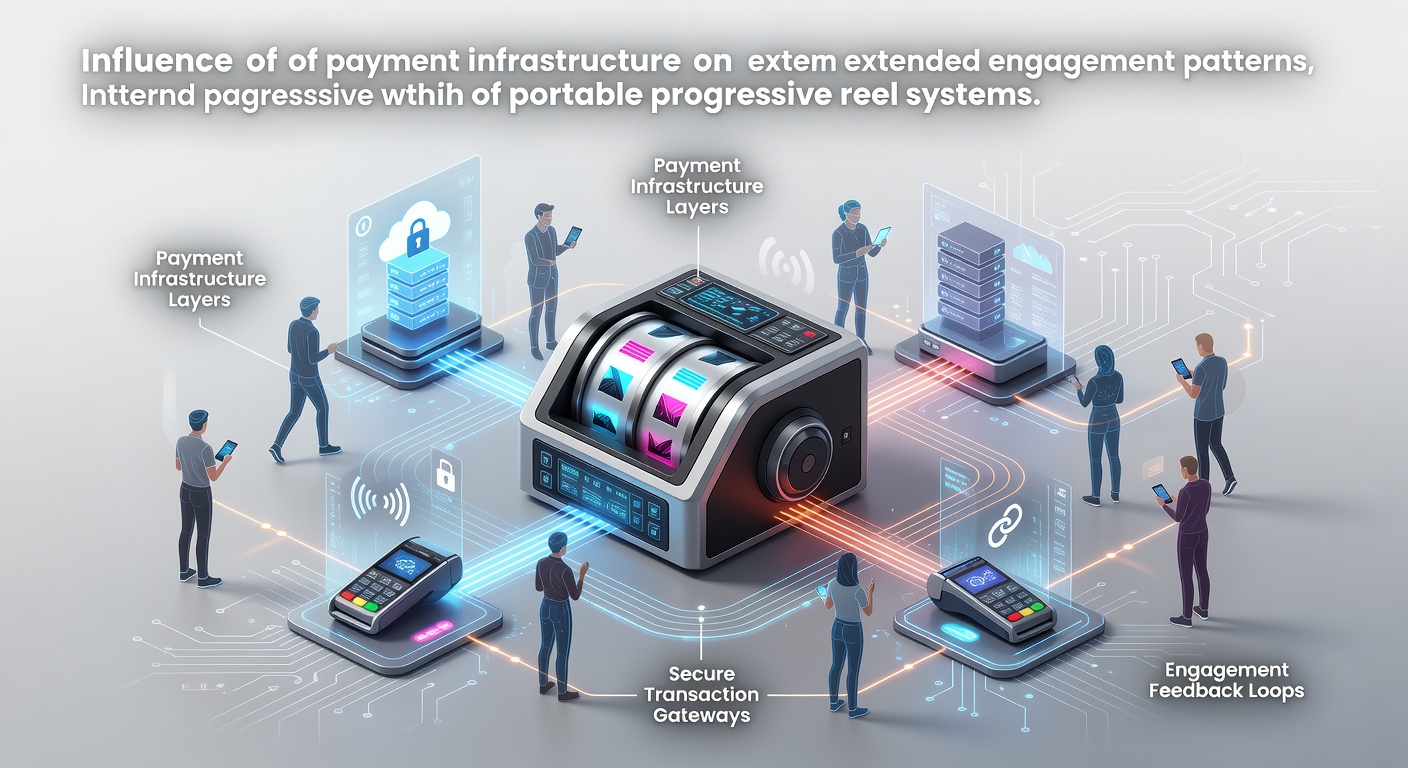 Payment infrastructure shapes how players interact with portable progressive reel systems through transaction speed, method availability, and processing reliability. Mobile platforms rely on integrated gateways that support credit cards, e-wallets, bank transfers, and cryptocurrency options, each carrying distinct processing times that affect session continuity. Data from industry reports indicate that instant deposit capabilities correlate with sustained play intervals, whereas delays exceeding thirty seconds often interrupt momentum in jackpot accumulation cycles. Researchers tracking mobile gaming metrics have documented patterns where seamless payment flows enable uninterrupted progression toward higher-tier rewards. Portable devices equipped with near-field communication features allow users to complete deposits without exiting the application, a factor that maintains engagement loops in progressive mechanics. Figures from North American operators reveal that systems incorporating Apple Pay and Google Pay see average session extensions of fifteen to twenty-five percent compared to traditional card entries.
Transaction velocity and session duration metrics
Analyses of engagement data demonstrate that payment processing under five seconds supports extended sequences in progressive reel environments. Players who encounter friction during funding stages tend to pause or abandon sessions before reaching bonus rounds or jackpot triggers. Observers note that regional variations in banking integration produce measurable differences, with European markets leveraging SEPA transfers showing steadier patterns than areas dependent on slower ACH methods.
In May 2026, several platforms updated their infrastructure to prioritize real-time authorization protocols, resulting in documented increases in cumulative playtime across progressive titles. Those studying these shifts report that reduced latency in payment confirmation directly maps to higher frequencies of reel spins per session. Case examples from Canadian provinces highlight how provincial banking partnerships streamlined approvals and extended average engagement windows by measurable margins.
Regional infrastructure variations and engagement outcomes
Payment ecosystems differ across jurisdictions, influencing how portable progressive systems retain users over time. Australian markets, supported by POLi and BPAY integrations, exhibit patterns where same-day settlements encourage repeated deposits during active jackpot chases. In contrast, certain Latin American regions rely more heavily on local card networks that introduce variable approval windows, correlating with shorter overall engagement arcs according to aggregated operator data.
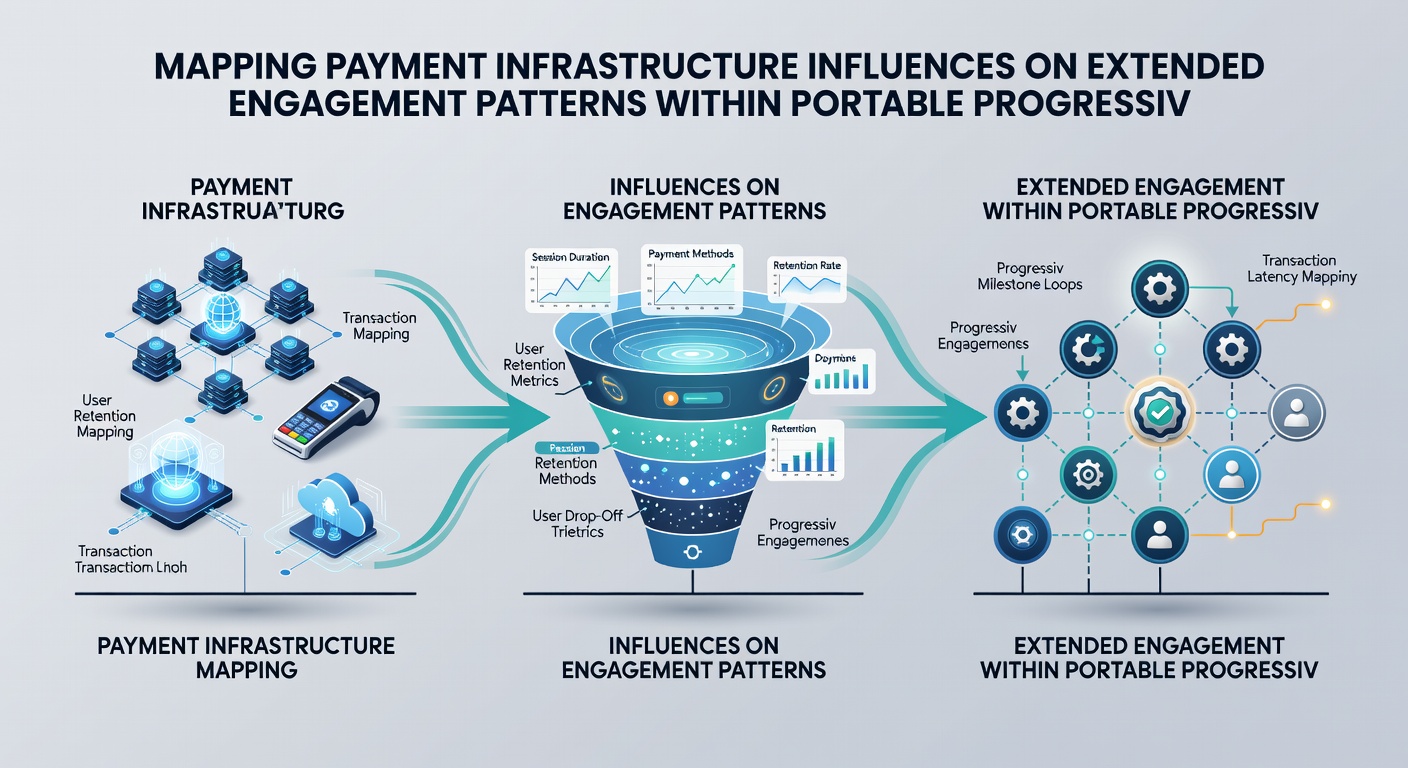
North American trends following 2025 regulatory adjustments further illustrate these connections. Operators adopting unified payment layers across state lines recorded consistent extensions in play duration, particularly within progressive categories where jackpot meters advance with each spin. The reality is that infrastructure maturity directly governs whether users sustain activity through multiple deposit cycles or exit after initial funding attempts.
Security protocols and continuity factors
Encryption standards and fraud detection layers embedded in payment pathways also factor into engagement continuity. Systems that balance verification rigor with rapid approvals maintain higher retention rates within mobile progressive frameworks. Research from academic institutions examining transaction logs indicates that excessive security checkpoints beyond basic authentication can fragment sessions, whereas adaptive protocols preserve flow without compromising compliance.
Industry organizations such as the American Gaming Association have compiled datasets linking payment method diversity to prolonged interaction metrics. These records show that platforms offering multiple instantaneous options reduce drop-off points during extended play periods. Meanwhile, reports from the Victorian Responsible Gambling Foundation provide comparative insights from Oceania, where localized payment rails support steadier engagement trajectories in progressive reel applications.
Future infrastructure developments projected through 2026
Emerging technologies such as embedded finance solutions and blockchain-based ledgers continue to reshape payment pathways for portable systems. Early implementations tested in select markets demonstrate potential for sub-second confirmations that further elongate engagement windows. Those monitoring these evolutions point to integration challenges that could temporarily disrupt patterns until standardization occurs across devices and carriers.
Conclusion
Payment infrastructure elements collectively determine engagement duration within portable progressive reel systems through speed, accessibility, and reliability factors. Evidence from multiple regions shows direct correlations between transaction efficiency and sustained play intervals, with updates noted through mid-2026 reinforcing these mappings. Continued refinement of these systems will likely produce additional data on how infrastructure choices influence long-term interaction behaviors across mobile platforms.