15 Aug 2026
Payment Gateways and Their Influence on Risk Protocols in Sustained Mobile Accumulator Sessions
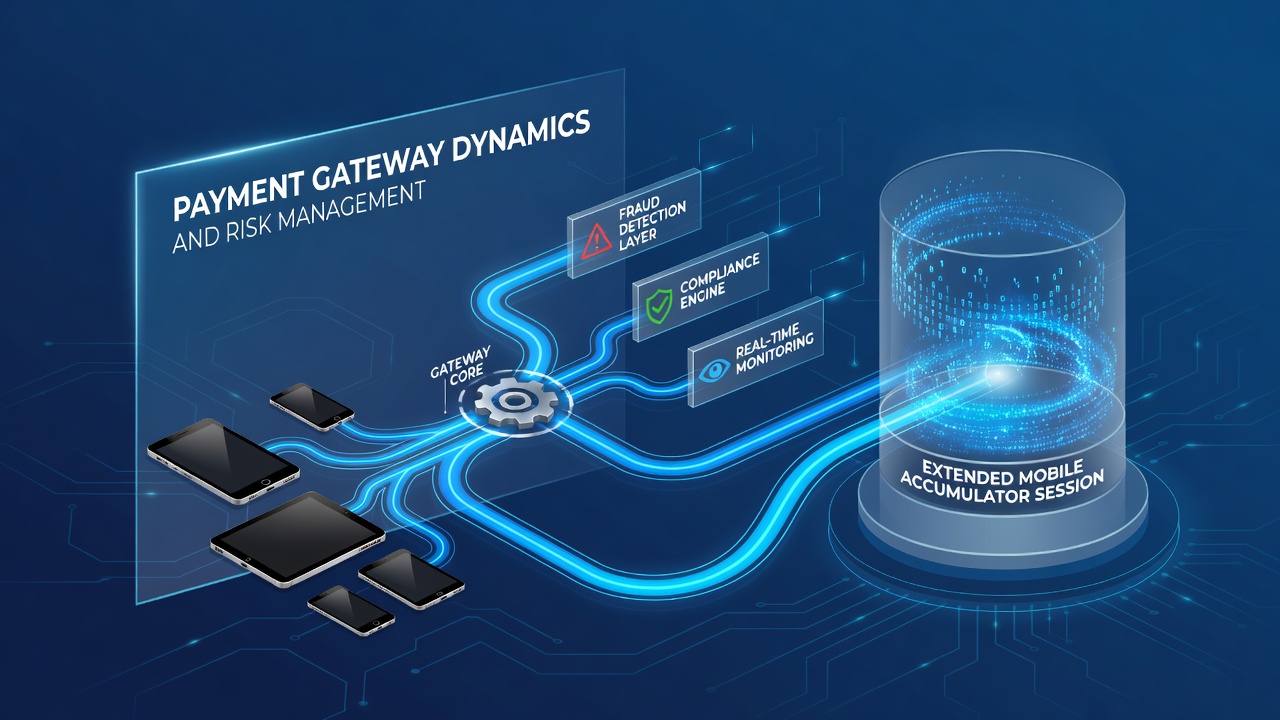
Payment gateways handle transaction flows that directly affect how operators structure risk controls during extended sessions on mobile accumulator platforms, and these systems integrate real-time authorization checks with session tracking tools to monitor deposit patterns while users engage in prolonged play. Data from industry reports shows that gateway providers process high volumes of micro-transactions in regions including North America and Europe, which creates datasets that platforms use to flag unusual activity before it escalates into larger exposure events. As of August 2026 figures reveal continued growth in mobile accumulator usage across multiple jurisdictions, and this expansion has prompted gateway operators to refine their APIs for faster fraud detection without interrupting user flows.
Core Mechanics of Payment Gateways in Accumulator Environments
Gateway systems connect financial institutions to gaming applications through secure protocols that verify funds availability in seconds, and they embed velocity limits that cap the number of deposits within defined time windows while users maintain active accumulator sessions on portable devices. Researchers at academic institutions note that these limits draw from historical transaction data to establish baselines, which helps platforms adjust thresholds dynamically when session lengths extend beyond typical durations. Integration with device-level signals such as location and connection stability further refines the risk picture, and operators apply these combined inputs to trigger additional verification steps only when patterns deviate from established norms.
Transaction Monitoring and Session Duration Correlations
Extended accumulator sessions generate continuous streams of small-value payments that gateways log with timestamps and amounts, allowing risk teams to identify clusters that might indicate attempts to bypass single-transaction caps. Studies from research organizations indicate that platforms in Australia and Canada have adopted aggregated reporting tools from gateways to review cumulative exposure across multi-hour periods, and this approach supports proactive adjustments to user limits without requiring manual intervention each time. Those who analyze these datasets often discover that certain payment methods correlate with longer average session times, which leads operators to route those methods through enhanced monitoring layers.
Adaptations in Risk Management Triggered by Gateway Capabilities
Gateway providers now supply real-time dashboards that feed directly into operator risk engines, and these tools enable immediate responses to deposit velocity spikes during accumulator play on mobile interfaces. Observers note that such connectivity reduces the lag between transaction initiation and risk flagging, which proves especially useful when users attempt rapid successive deposits across different funding sources. In parallel, gateways have expanded support for tokenized payments that obscure sensitive card details while preserving the ability to apply spending controls at the account level, and this development has allowed platforms to maintain session continuity while enforcing stricter per-user budgets.
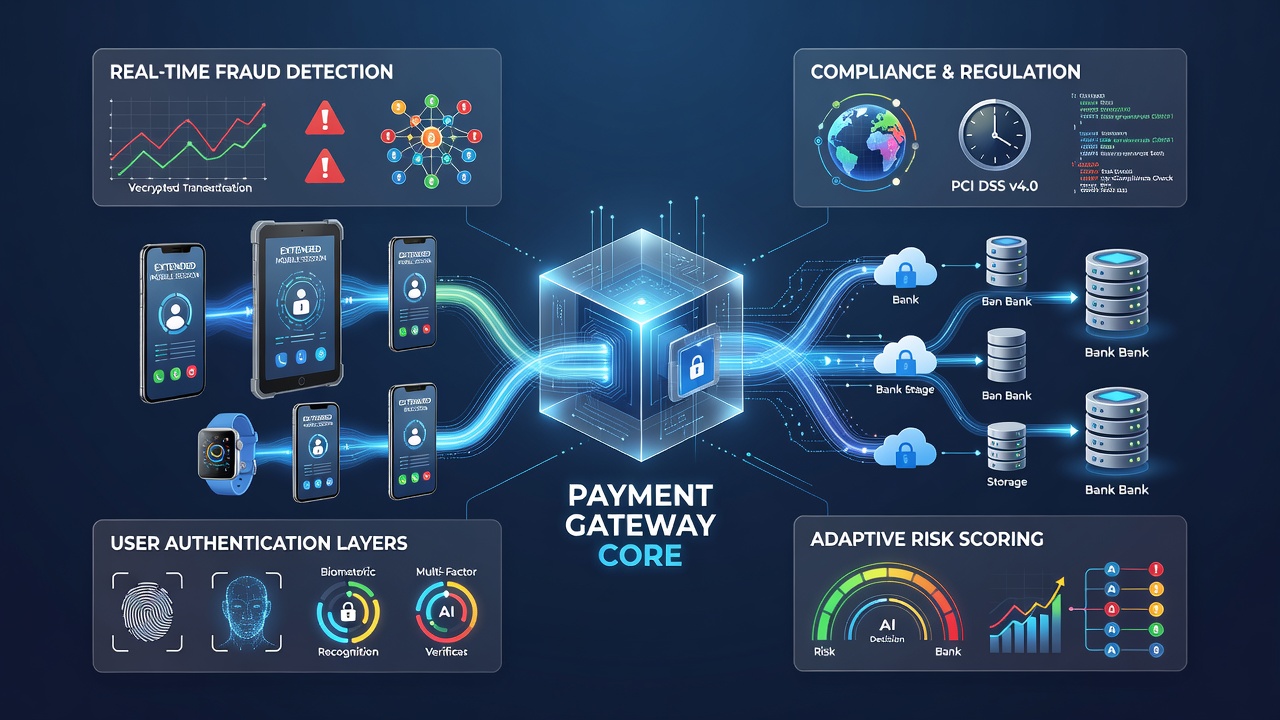
Regional regulatory frameworks influence how gateways structure these controls, with requirements in various markets mandating specific reporting intervals that operators must meet through gateway partnerships. Data shows that platforms aligning their systems with these standards experience fewer compliance interruptions during peak mobile usage periods, and the resulting stability supports longer session management without regulatory pushback.
Geographic Variations in Gateway-Driven Risk Approaches
North American operators tend to emphasize integration with local banking rails that provide additional identity verification layers, whereas European platforms often prioritize cross-border transaction monitoring through gateway networks that span multiple currencies. Reports from the European Gaming and Betting Association highlight how these regional differences shape the granularity of risk rules applied during extended accumulator sessions, and operators adjust their internal policies accordingly to remain aligned with local expectations. Similar patterns appear in other markets where gateway selection directly determines the range of available risk mitigation tactics.
One analysis conducted by the Responsible Gambling Council in Canada examined how gateway-provided alerts correlate with changes in user deposit behavior over multi-hour periods, and the findings indicated measurable shifts in session management when operators acted on those alerts promptly. Such evidence supports continued investment in gateway features that deliver actionable insights rather than raw data alone.
Future Trajectories for Gateway Integration
Developments scheduled for late 2026 include expanded machine learning modules within gateways that predict session risk profiles based on initial transaction sequences, and platforms have begun pilot programs to test these modules in live mobile accumulator environments. These enhancements aim to refine the balance between seamless user experience and robust oversight, particularly as accumulator features grow more complex across devices. External sources such as the National Council on Problem Gambling continue to track how these technological shifts affect overall risk exposure metrics in the sector.
Conclusion
Payment gateway dynamics continue to intersect with risk management practices through data sharing, velocity controls, and real-time alerting mechanisms that operators apply during extended mobile accumulator sessions. Evidence from multiple jurisdictions demonstrates that these integrations support more precise responses to emerging patterns while maintaining operational continuity, and ongoing refinements in gateway technology will likely sustain this evolution through the remainder of 2026 and beyond.