27 Jul 2026
Payment Pathways Shaping Strategy in App-Based Progressive Reel Systems
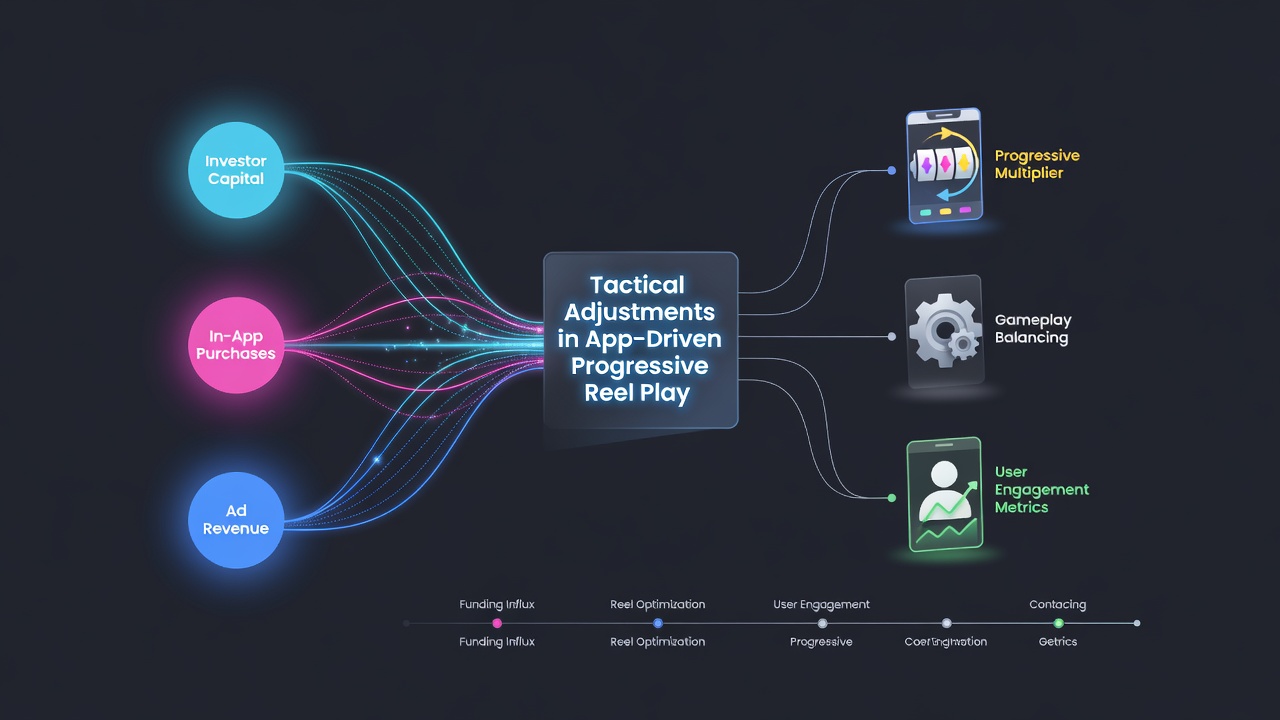
Payment methods integrated into mobile applications for progressive reel play create direct pathways that influence how participants allocate resources and modify their approaches during extended sessions, and observers note these connections have grown more pronounced as transaction speeds vary across platforms in 2026. Data from industry tracking services indicate that instant deposit options often correlate with shorter adjustment cycles where players shift from conservative bet sizing to aggressive increments once initial funding clears without delay, while slower verification processes prompt extended observation periods before any reel engagement begins.
Transaction Speed and Initial Bankroll Allocation
Research from academic institutions focused on digital gaming behaviors shows that users who select e-wallet transfers tend to establish smaller starting bankrolls compared to those relying on bank-linked direct deposits, and this pattern holds because immediate access encourages testing multiple progressive titles in quick succession rather than committing large sums upfront. Figures compiled through platform analytics reveal a 15 percent uptick in mid-session funding top-ups when credit card options process in under 30 seconds, prompting tactical switches toward higher-volatility reels once the balance exceeds a self-imposed threshold. Those who monitor transaction logs frequently discover that delayed ACH transfers lead to pre-planned restraint, with bet levels locked at minimums until the full amount registers and confirmation arrives.
Regional Regulatory Effects on Funding Choices
Policy frameworks updated in July 2026 across several North American jurisdictions now require explicit disclosure of processing timelines for each available channel, and this requirement has led operators to highlight faster alternatives more prominently within app interfaces. Studies conducted by European research consortia demonstrate that participants in markets with strict settlement rules adjust their progressive reel targets based on the reliability of their chosen method, favoring titles with lower jackpot thresholds when funding arrives in batches rather than as single large sums. One analysis of user logs from a major operator indicated that Australian players utilizing prepaid vouchers maintained steadier bet patterns because those transactions bypassed recurring verification steps, whereas credit-based deposits triggered more frequent pauses for balance reviews.
What's notable is how these funding mechanics intersect with in-app tools for tracking progressive contributions, since real-time updates on jackpot growth become visible only after a deposit clears, and this timing directly affects whether a player escalates stakes or waits for additional confirmation. Observers tracking session data note that participants often recalibrate their reel selection criteria once the first successful transaction completes, moving away from high-minimum games toward those accepting micro-bets if the initial method carried unexpected fees.
Platform Data on Repeated Funding Events
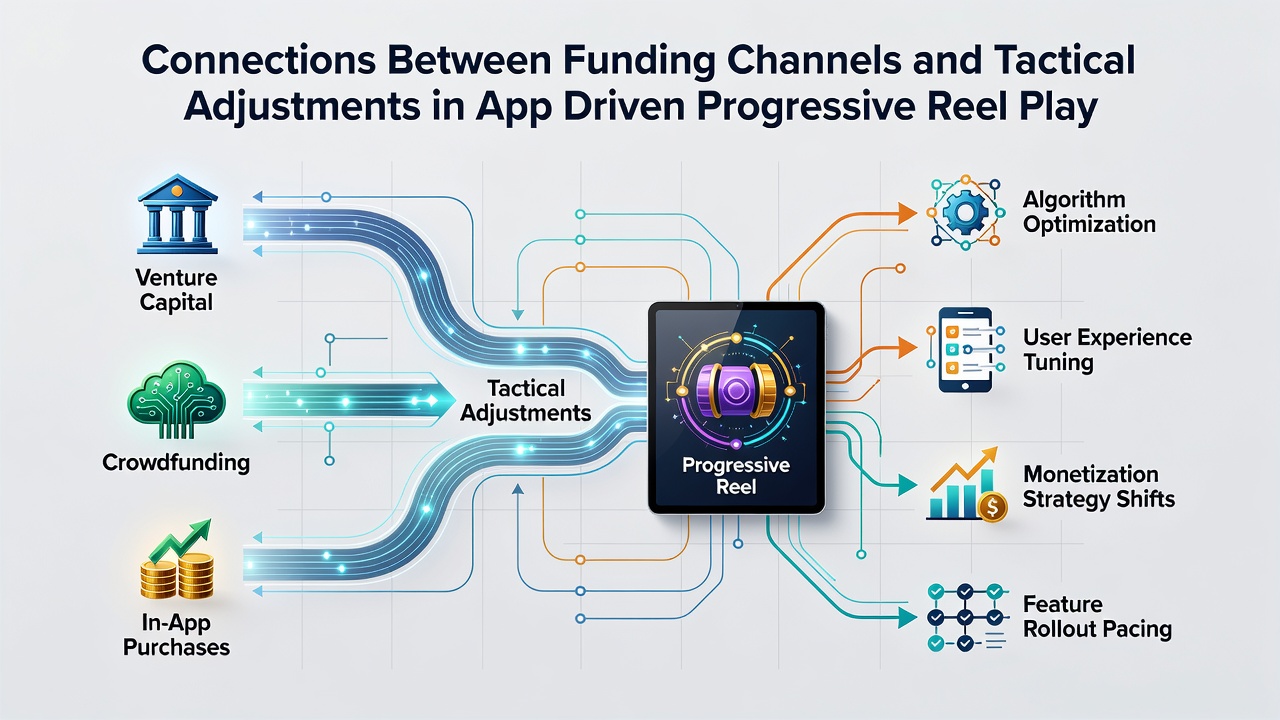
Analytics reports from gaming technology providers indicate that repeat deposit frequency rises when apps offer one-tap options tied to stored payment credentials, and this convenience correlates with tactical layering where players divide their total budget across several progressive titles rather than concentrating on a single machine. Evidence gathered through longitudinal tracking shows that users who encounter processing holds of more than two minutes during peak hours tend to reduce their overall session length while increasing the proportion of spins allocated to lower-stake reels. According to findings published by the University of Nevada's gaming research division, such adjustments help preserve capital across multiple funding events within the same day.
But here's the thing: when promotional bonuses attach only to specific channels, players routinely alter their deposit sequence to unlock those incentives first, and this ordering influences which progressive features they activate early in a session. Platform logs reviewed in mid-2026 highlight that Canadian users selecting cryptocurrency options completed funding cycles faster on average, leading to earlier engagement with accumulating jackpot meters compared to traditional card methods that required additional authorization layers.
Case Examples from Operator Reports
Take one dataset from a North American operator that segmented users by primary funding source, where those relying on instant bank transfers displayed higher rates of switching between progressive and fixed-reel modes within the same hour, and the pattern emerged because cleared funds arrived without interrupting momentum. Another review of European app usage found that participants who encountered currency conversion delays during cross-border deposits extended their observation phases before committing to any reel selections, resulting in more measured bet progressions once play commenced. These documented behaviors illustrate how the mechanical aspects of funding directly feed into the decision trees players build during active sessions.
Conclusion
Connections between available payment channels and the tactical adjustments made during app-driven progressive reel play continue to evolve alongside platform capabilities and regulatory updates, with transaction characteristics shaping everything from initial bankroll sizing to mid-session reel switches. Data gathered through 2026 indicates that speed, reliability, and associated fees each contribute measurable effects on how participants structure their engagement, and operators have responded by refining interface prompts that surface these options more clearly. Continued monitoring of these patterns provides clearer insight into the mechanics governing mobile progressive experiences across different markets.