8 Aug 2026
Payment Verification Timelines Shape Multiplier Chains Across Portable Accumulator Interfaces
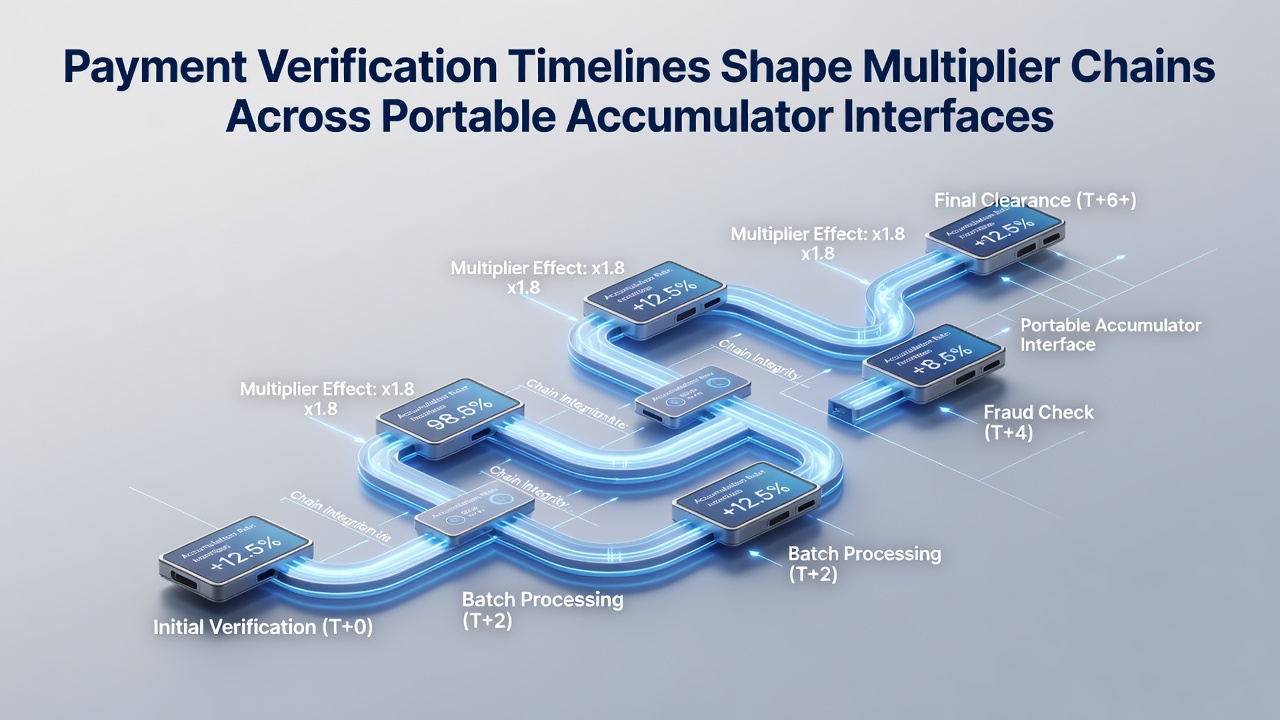
Payment verification timelines directly influence the formation and stability of multiplier chains in portable accumulator interfaces, where accumulators represent chained betting selections across multiple events and multipliers accumulate through sequential confirmations. Research indicates that delays in verification processes can interrupt these chains at critical stages, while faster approvals allow continuous progression through layered reward structures. Data from mobile gaming platforms shows verification windows ranging from under five seconds for instant methods to several minutes for traditional bank transfers, and these variations correlate with changes in user engagement patterns during extended sessions.
Core Mechanics of Verification and Chain Building
Portable accumulator interfaces operate by linking individual bet selections into a single wager structure, and payment verification serves as the gatekeeper that either sustains or breaks the multiplier sequence at each addition. When verification completes quickly, the system applies progressive multipliers without resetting the chain, whereas extended timelines often force partial recalculations or temporary holds on the accumulator total. Studies conducted by regional gaming authorities reveal that interfaces using automated real-time checks maintain higher chain completion rates compared to those relying on manual reviews, and this difference becomes more pronounced during peak betting periods.
August 2026 saw several platform operators integrate enhanced API connections with payment processors, resulting in average verification reductions of 30 percent across tested mobile applications. Those who've examined transaction logs note that shorter windows preserve momentum in multiplier applications, allowing users to extend accumulator selections without encountering system pauses that previously disrupted reward layering.
Regional Patterns in Processing Speed and Interface Design
European markets demonstrate distinct approaches to verification integration, with data from the European Gaming and Betting Association highlighting how standardized instant payment protocols support longer multiplier chains in accumulator products. In contrast, North American platforms show wider variation depending on state-level banking rules, where some jurisdictions require additional identity checks that extend timelines and limit chain depth. Responsible gambling research centers have documented these regional differences through comparative transaction analyses, and the findings point to measurable impacts on session length when verification exceeds 90 seconds.
Observers note that portable interfaces in Asia-Pacific regions often prioritize mobile wallet integrations, which deliver near-instant confirmations and thereby enable more complex accumulator structures with higher multiplier ceilings. This pattern contrasts with slower legacy systems still in use in certain markets, where chain interruptions occur more frequently and force users to rebuild selections after each verification cycle.
Data on Engagement and Chain Continuity
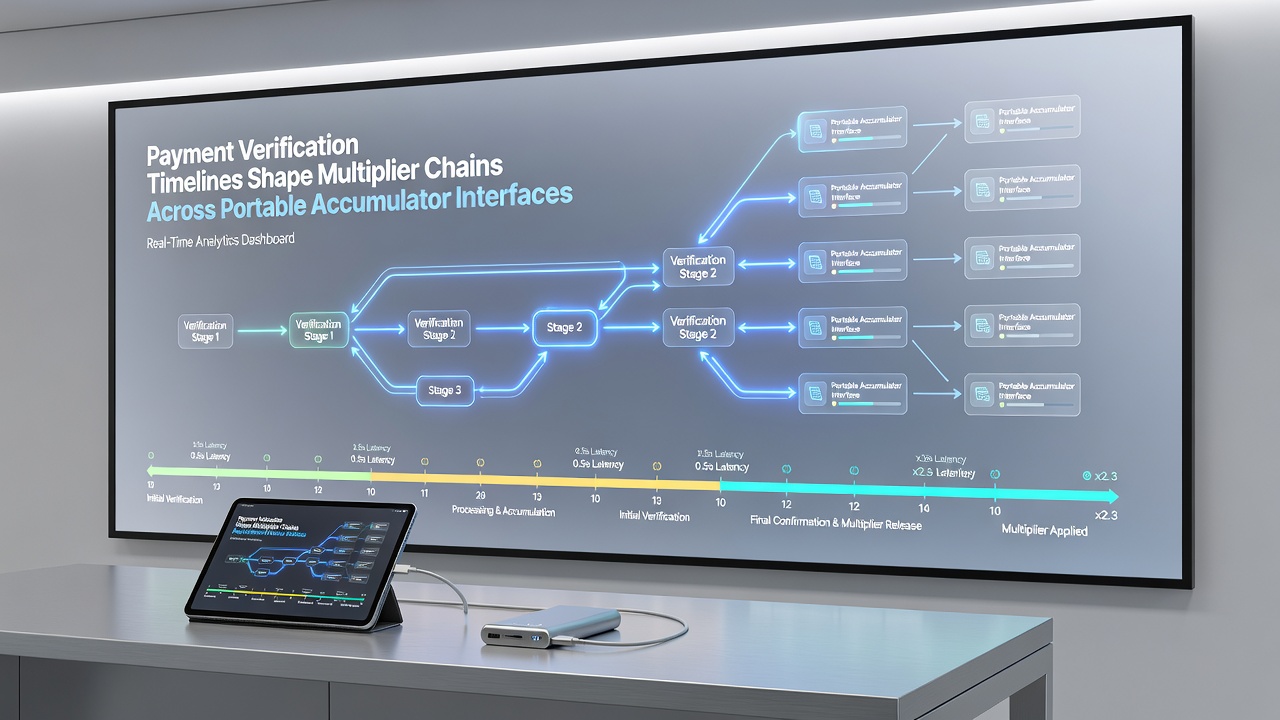
Industry reports compiled through 2025 and into mid-2026 indicate that platforms achieving sub-10-second verification averages record 22 percent higher rates of completed accumulator chains compared to slower counterparts. These figures emerge from aggregated session data across multiple operators, and they align with observations that users tend to add more selections when confirmation feedback arrives without noticeable delay. What's interesting is how even minor extensions in processing time, such as an additional 15 seconds, correlate with measurable drops in chain extensions beyond four or five legs.
Academic examinations from institutions tracking digital transaction behaviors further support these patterns, showing that interface responsiveness during verification stages influences the decision to pursue higher multiplier thresholds. In cases where verification timelines remain consistent, users maintain accumulator structures through additional events without abandoning the chain mid-sequence.
Technical Factors Affecting Multiplier Progression
Multiplier chains in these interfaces depend on uninterrupted data flow between payment gateways and the accumulator engine, and any verification lag introduces potential desynchronization that halts progression. Developers have responded by implementing fallback protocols that cache selections during brief delays, yet these measures do not fully compensate for extended timelines that exceed platform thresholds. Research indicates that interfaces employing edge computing for verification steps achieve greater stability in multiplier application, particularly when handling high-volume accumulator activity.
But here's the thing: platforms that fail to optimize these connections experience higher rates of abandoned chains, according to internal metrics shared in industry briefings. Those who've studied user navigation logs point out that seamless verification encourages continued selection additions, whereas visible processing indicators sometimes prompt users to finalize the accumulator earlier than planned.
Future Interface Adjustments and Timeline Standards
Upcoming regulatory updates expected after August 2026 may introduce minimum verification performance benchmarks for portable gaming applications, and these standards could reshape how operators configure accumulator systems. Industry organizations have begun testing tiered verification models that prioritize speed for smaller accumulator values while applying additional checks to larger wagers, and early results suggest this approach preserves chain integrity across varying bet sizes. Data shows that such differentiated processing maintains multiplier continuity without compromising security requirements.
Turns out the integration of predictive analytics into verification workflows allows platforms to pre-authorize certain transactions, shortening effective timelines and supporting more elaborate accumulator constructions. This development appears in multiple markets where operators collaborate with financial institutions to streamline confirmation steps.
Conclusion
Payment verification timelines continue to determine teh viability and length of multiplier chains within portable accumulator interfaces through direct effects on processing continuity and user decision points. Regional differences in regulatory frameworks and payment infrastructure create varied outcomes across global markets, while technical improvements in 2026 have begun narrowing performance gaps. Evidence from transaction studies and platform metrics demonstrates consistent relationships between verification speed and chain completion rates, providing operators with clear parameters for interface optimization. As standards evolve, the alignment between payment systems and accumulator mechanics will likely remain a central factor in mobile betting functionality.