6 Jul 2026
Shifts in Retention Patterns Tied to Event-Synced Reward Layers Within Touchscreen Accumulator Ecosystems
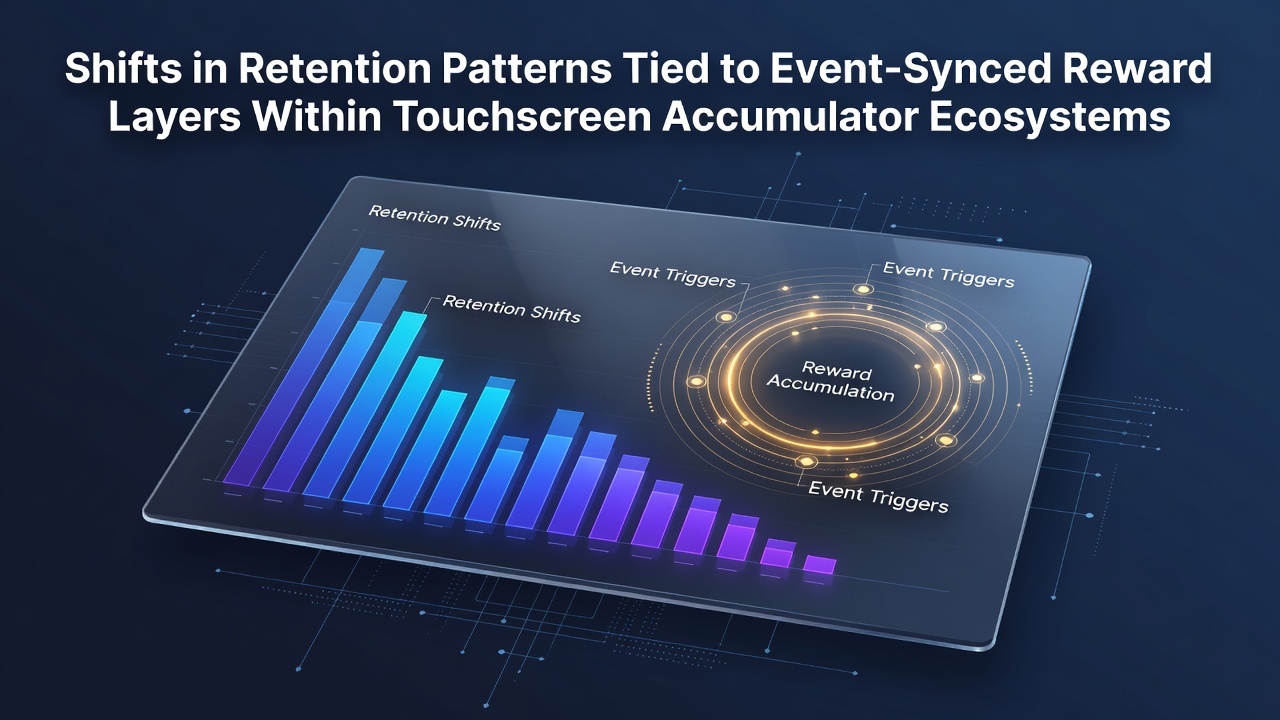
Retention patterns within touchscreen accumulator ecosystems have shifted noticeably in recent years as event-synced reward layers integrate more deeply into mobile gaming interfaces, and researchers tracking user behavior across multiple platforms have documented these changes through aggregated session data and engagement logs. These systems, which accumulate progress toward bonuses or jackpots through repeated interactions on handheld devices, now tie specific rewards to timed events such as tournaments or seasonal promotions, creating new dynamics in how users return to applications over extended periods.
Understanding Event-Synced Reward Mechanisms
Event-synced reward layers operate by aligning bonus triggers with external calendars or in-app milestones, whereas traditional accumulator models relied primarily on cumulative play volume without such synchronization, and this distinction has prompted analysts to examine resulting differences in session frequency. Data from platform telemetry shows that users exposed to these layered systems often exhibit clustered return patterns around event windows, while baseline retention metrics outside those periods can vary depending on the synchronization density. Observers note that accumulator ecosystems on portable devices benefit from this approach because it leverages notification systems and calendar integrations to prompt re-engagement at precise moments.
Studies conducted by independent research groups have quantified these effects through longitudinal tracking of user cohorts, revealing that reward layers synchronized to recurring events sustain higher average session counts compared to unsynced variants in similar application environments. One analysis spanning multiple jurisdictions indicated measurable increases in repeat visits when events aligned with user time zones and device activity peaks, and the same data highlighted reduced drop-off rates during transition periods between events when residual accumulator progress carried forward.
Regional Data Trends and Platform Adaptations
Figures compiled by the New Jersey Division of Gaming Enforcement demonstrate parallel developments in regulated mobile markets where accumulator features incorporate event timing, with participation logs showing stabilized retention curves after initial implementation phases. Similar patterns appear in reports from the Australian Communications and Media Authority, which track handheld gaming applications across different regulatory frameworks and note that event synchronization correlates with extended user lifecycles when paired with transparent progress indicators.
Platform operators have adjusted accumulator designs accordingly, incorporating modular reward layers that respond to both scheduled events and user-initiated triggers, while maintaining core accumulation mechanics that build across sessions. Those who've examined code-level implementations describe how these layers function as overlays on base progression systems, allowing independent scaling without disrupting existing balance calculations or payout algorithms.
Impact on User Behavior and Session Metrics
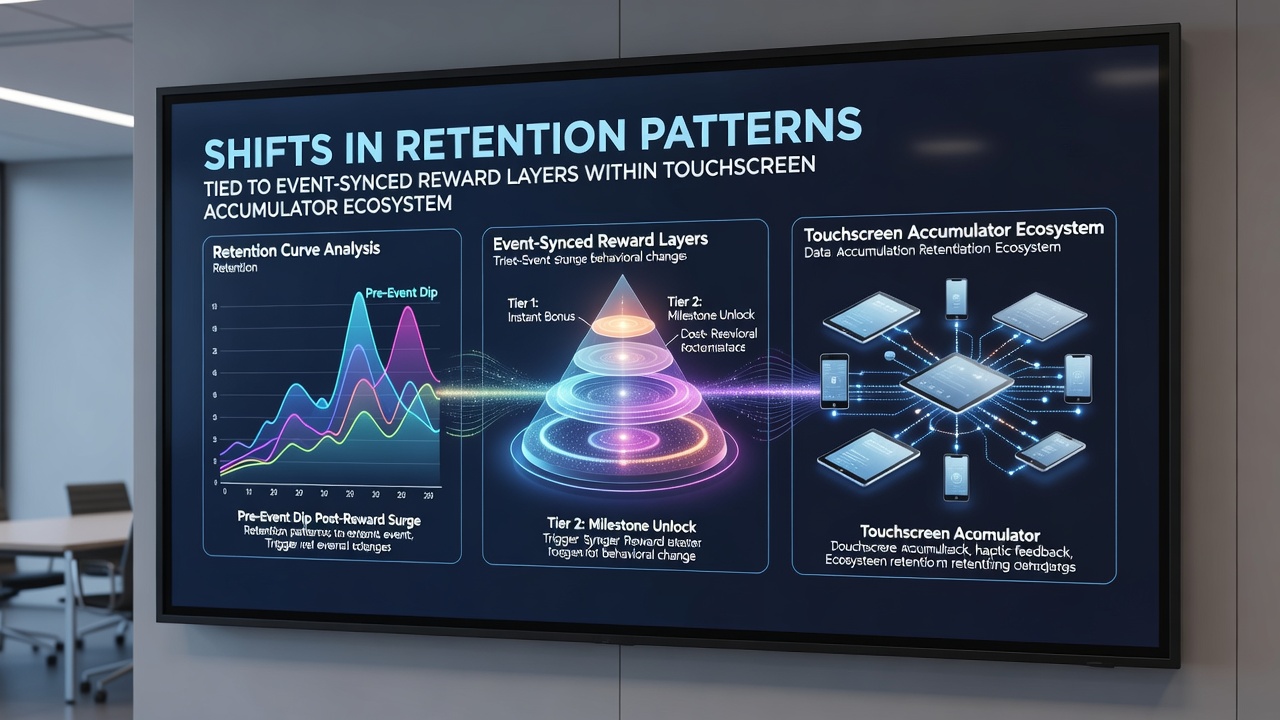
Behavioral data collected across accumulator ecosystems indicates that event-synced layers influence decision points during play, particularly when users weigh continued sessions against upcoming event deadlines, and this interaction produces distinct retention signatures compared to purely volume-based systems. Researchers discovered through controlled comparisons that synchronization reduces variance in daily active user counts around event dates, creating more predictable traffic flows that operators can anticipate through scheduling adjustments.
Take one dataset released in July 2026 covering North American and European markets, which showed accumulator applications with dense event calendars maintaining steadier week-over-week retention than those with sporadic synchronization. The same dataset pointed to geographic variations, where regions with higher mobile penetration rates displayed stronger responses to cross-timezone event coordination, and analysts attributed these differences to device notification preferences and local usage habits.
Technical Integration and Measurement Approaches
Technical teams working within touchscreen accumulator ecosystems employ A/B testing frameworks to isolate the effects of individual reward layers, measuring outcomes through metrics such as return latency and lifetime session totals rather than isolated play duration. These evaluations often incorporate machine learning models that predict retention shifts based on event density and reward magnitude, allowing refinements without broad architectural overhauls.
According to findings presented by the International Center for Gaming Regulation at the University of Nevada, Las Vegas, synchronization protocols that account for device state and user history produce more consistent retention outcomes across diverse hardware configurations. The center's work emphasizes the value of granular logging that captures both successful reward redemptions and near-miss scenarios, providing clearer pictures of how accumulator progress influences subsequent engagement decisions.
Future Considerations for Accumulator Design
Developments in July 2026 have accelerated discussions around standardizing event synchronization protocols across competing platforms, with industry groups exploring shared frameworks that preserve competitive differentiation while improving cross-application data comparability. Such standardization efforts focus on metrics that capture retention shifts without exposing proprietary reward algorithms or user-specific accumulation details.
Evidence suggests that continued evolution of these layers will depend on balancing event frequency against accumulator fatigue, where excessive synchronization might compress natural play cycles into narrower windows. Platform assessments continue to monitor these variables through aggregated dashboards that aggregate retention curves across multiple accumulator types and regional deployments.
Conclusion
Shifts in retention patterns tied to event-synced reward layers reflect broader adaptations within touchscreen accumulator ecosystems as operators refine synchronization techniques to match observed user behaviors. Data from regulatory bodies and academic institutions continues to inform these refinements, highlighting measurable connections between event timing, reward structure, and sustained engagement across portable platforms. Ongoing measurement and regional comparisons provide the foundation for further adjustments as accumulator systems scale to new device ecosystems and usage contexts.