8 Jun 2026
The Influence of Funding Options on Strategy Development for Jackpot Hunting in App-Based Reel Games
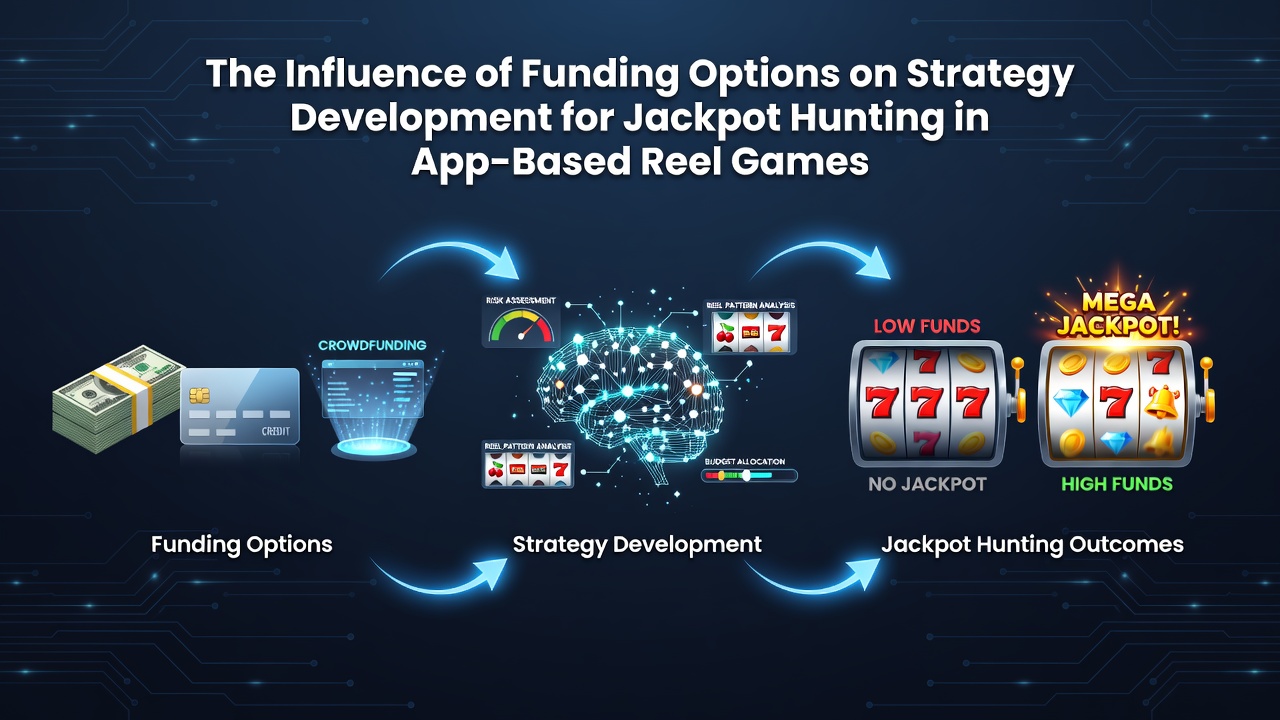
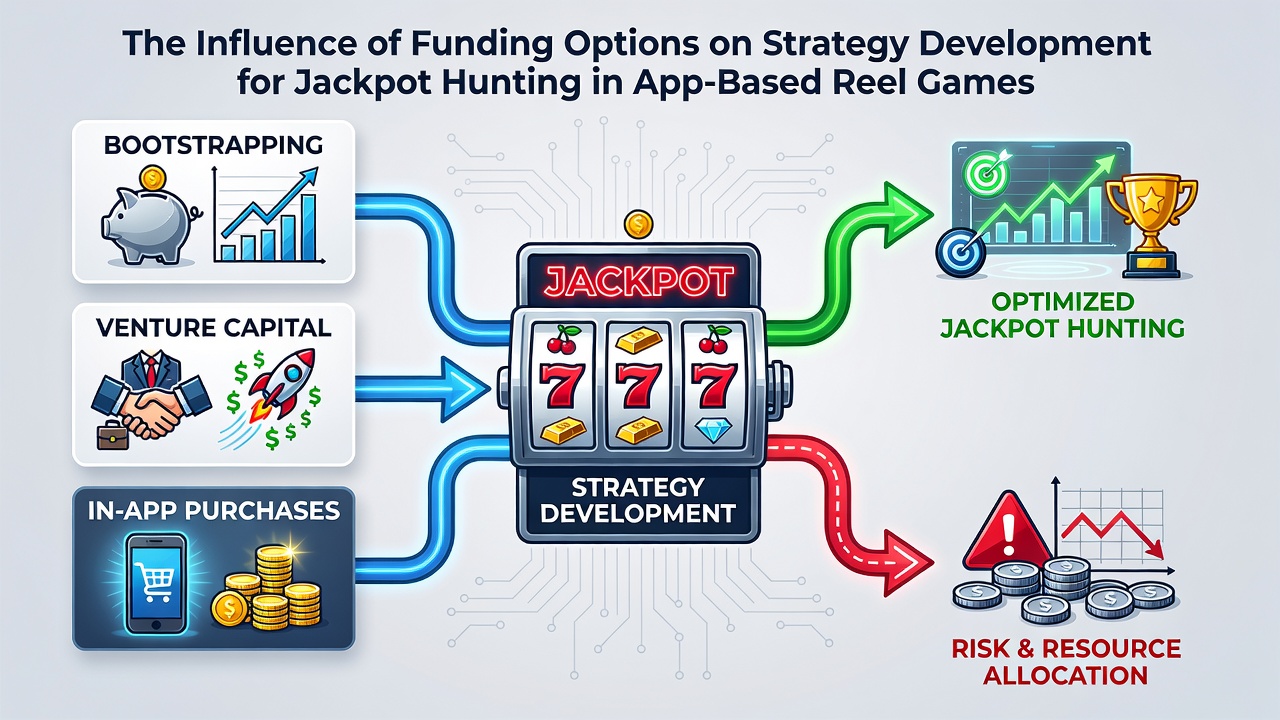
App-based reel games have expanded rapidly in recent years with funding options now playing a central role in how players approach jackpot hunting strategies. Different payment methods carry distinct processing times, fee structures, and transaction limits that shape deposit timing along with overall bankroll allocation when users target progressive jackpots on mobile platforms. Observers note that these elements combine to influence decisions about when to increase stakes or switch between games during extended sessions.
Payment Method Characteristics and Deposit Patterns
E-wallets such as PayPal and Skrill enable near-instant transfers which allow users to respond quickly to jackpot growth in real time while credit card options often involve authorization holds that can delay additional funding rounds. Bank transfers provide lower fees in many cases yet they require advance planning because settlement periods stretch from one to three business days according to data compiled by regional financial oversight bodies. Cryptocurrency channels introduce another layer since fluctuating exchange rates and network confirmation times affect the precise amount available for play once funds reach the gaming app. Those who've examined transaction logs from major platforms report that players using instant methods tend to make smaller but more frequent deposits during jackpot pursuit phases compared to those relying on slower channels who consolidate larger sums ahead of time.
Bankroll Allocation Strategies Across Funding Types
Strategy development for jackpot hunting incorporates funding constraints directly because fee percentages reduce the effective bankroll available for progressive bets. A transaction cost of 2 to 5 percent on certain card-based deposits means players adjust their per-spin amounts or session durations to maintain target exposure levels across multiple reels. Research from the Australian Gambling Research Centre shows that users who select fee-free options preserve more capital for the later stages of a chase when jackpot meters reach peak values. Meanwhile transaction limits imposed by some providers cap single deposits at fixed thresholds which forces adjustments in multi-game approaches where participants spread funds across several progressive titles simultaneously. In June 2026 several app developers introduced integrated tools that display net funding costs before confirmation which has altered how some users sequence their deposits relative to jackpot size thresholds.
Regulatory and Platform Influences on Funding Choices
Regional regulations continue to shape which funding methods appear within app stores and how those options integrate with gameplay features. Jurisdictions in parts of Europe and North America have required clearer disclosure of processing fees and settlement times which in turn affects the planning horizon for jackpot hunters who must coordinate deposits with bonus eligibility windows or tournament entry periods. Platform operators respond by prioritizing methods that comply with local rules while maintaining competitive transaction speeds. Data collected by the National Council on Problem Gambling indicates that availability of prepaid card options has expanded in certain markets because these methods help enforce spending caps that align with responsible play guidelines without restricting access to progressive reel titles. Players often coordinate funding method selection with the timing of jackpot resets because slower methods become impractical when meters climb quickly after a major payout.
Case Examples from Mobile Gaming Ecosystems
One documented pattern involves users who maintain multiple funding accounts to match different phases of a jackpot hunt. They reserve e-wallet balances for rapid top-ups during active chases while routing larger scheduled transfers through direct bank links to replenish reserves at lower cost. Another example appears in regions where cryptocurrency adoption has grown because the pseudonymous nature of these transfers allows participants to separate gaming activity from primary banking records. Figures from industry tracking services reveal that apps supporting a broader range of instant funding methods record higher average session lengths among progressive jackpot participants compared to platforms limited to traditional card processing. These differences emerge because the friction of slower deposits interrupts momentum when a jackpot meter accelerates unexpectedly.
Conclusion
Funding options therefore serve as foundational inputs that determine the flexibility and precision of strategies developed for jackpot hunting in app-based reel games. Transaction speed, cost, and regulatory compatibility each contribute measurable effects on deposit frequency, bankroll preservation, and timing decisions. As platforms continue to refine payment integrations through 2026 and beyond, the relationship between funding infrastructure and gameplay tactics will remain a key area for continued observation by researchers and industry analysts alike.