18 Jun 2026
The Intersecting Influences of Mobile Platform Mechanics and Payment Network Evolutions on Progressive Prize Accessibility
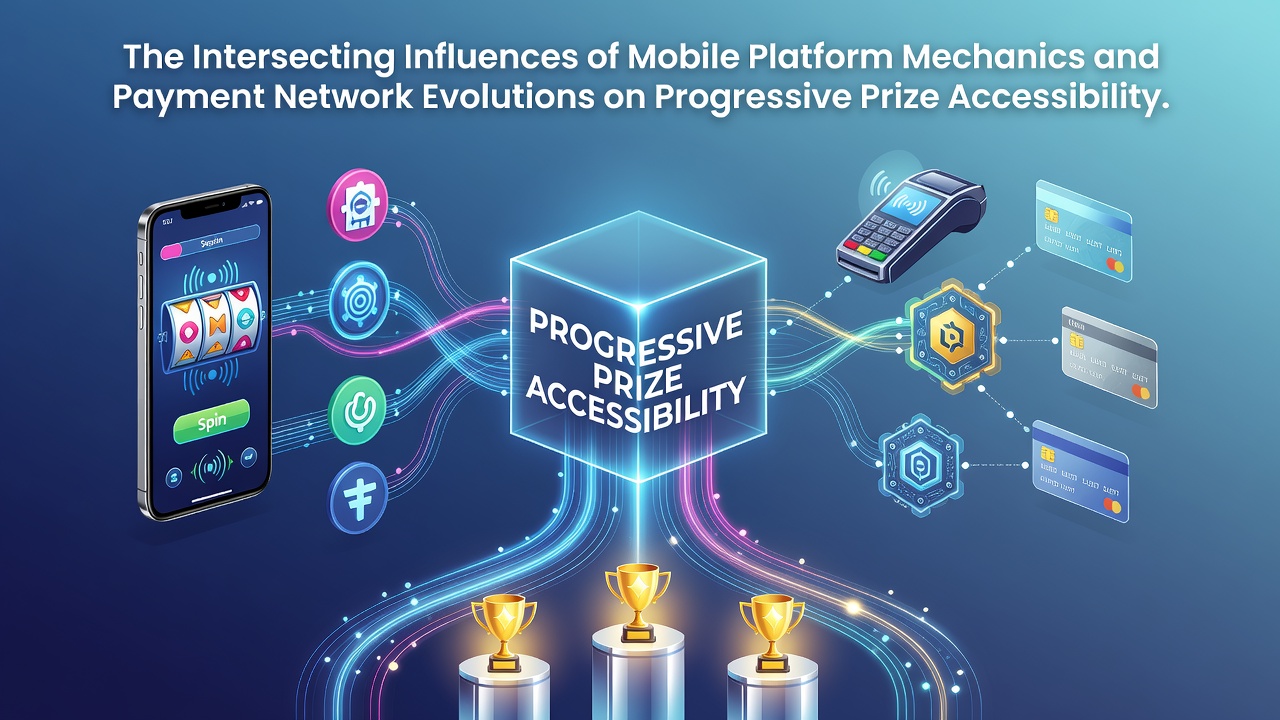
Progressive prize pools accumulate across multiple participants and platforms, while mobile mechanics shape how players interact with those accumulating systems through device interfaces, notification systems, and session management tools. Payment network changes meanwhile determine the speed and reliability of fund transfers that feed into those same pools, creating combined effects on who can reach and claim layered rewards in portable environments.
Mobile Interface Designs and Session Continuity
Touch-based controls and adaptive screen layouts allow continuous engagement with reel mechanics even during short intervals between other activities, and this pattern extends the time players remain connected to shared prize structures. Background processes on modern operating systems maintain connection states without constant foreground activity, so progressive counters update in real time across fragmented usage periods. Observers note that push notifications alert users when certain prize thresholds approach, prompting immediate returns to active play without requiring full application restarts.
Device hardware improvements such as faster processors and larger batteries support extended periods of graphical rendering required for animated jackpot displays, reducing interruptions that previously broke accumulation streaks. Software frameworks now handle state synchronization across multiple devices tied to single accounts, enabling users to switch between phones and tablets while preserving eligibility for the same progressive tiers.
Payment Rails and Funding Velocity
Instant settlement options through updated banking networks cut the delay between deposit initiation and playable balance appearance from minutes to seconds in many jurisdictions. This acceleration matters because progressive participation often depends on timely entry before a prize hits its trigger point. Data from industry tracking shows that systems supporting near-instant verification handle higher volumes of micro-transactions without throttling, which aligns with the incremental betting patterns common in mobile sessions.
Tokenized payment methods embedded directly in applications remove repeated credential entry, and this friction reduction correlates with more frequent small contributions to pooled rewards. Network operators have expanded support for regional real-time payment schemes, allowing cross-border users to maintain consistent access when traveling between markets with differing banking standards.
Combined Effects on Prize Reachability
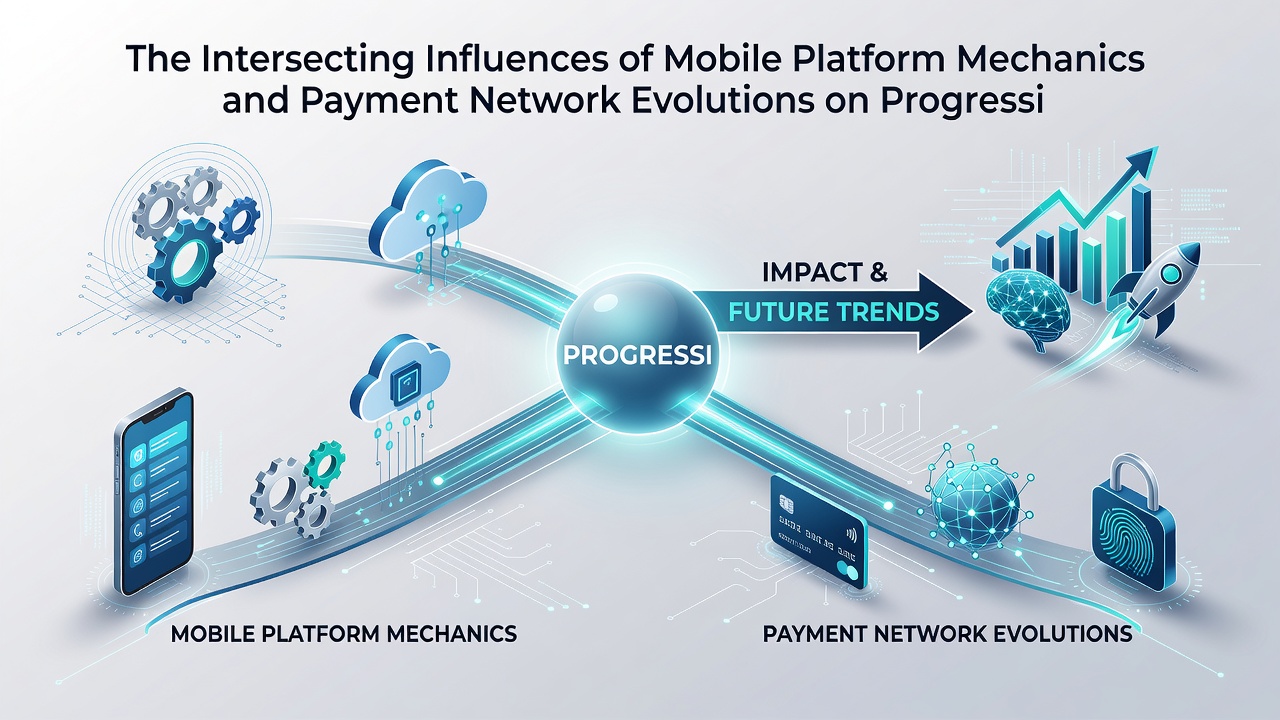
When mobile session persistence meets faster funding pathways, the result appears in extended cumulative exposure to any single progressive structure. Players can top up balances during brief pauses without leaving the application environment, keeping their activity streaks intact. Research indicates that markets with both widespread instant payment adoption and mature mobile gaming interfaces record higher average participation rates in multi-tiered prize systems compared to regions lagging in either area.
Platform operators have adjusted backend logic to prioritize low-latency prize calculations during high-volume mobile traffic spikes, which often coincide with promotional payment windows. Those adjustments prevent temporary disconnects that once disqualified pending contributions at critical moments. Regulatory filings from several North American states document steady growth in mobile-originated progressive wagers following the rollout of unified payment standards in 2025.
One study of transaction logs revealed that users who combined stored payment credentials with background app refresh features executed more consecutive bets per hour than those relying on manual funding steps. This pattern holds particular weight for progressive formats where consistent volume directly influences the mathematical window for prize distribution.
Regional Variations Emerging by Mid-2026
By June 2026 several jurisdictions had synchronized their mobile compliance requirements with upgraded payment verification protocols, producing measurable differences in accessibility across state lines. Markets that completed these alignments earlier showed broader distribution of smaller progressive wins, while slower adopters retained more concentrated payout events tied to desktop sessions. According to figures released by the American Gaming Association, mobile progressive contributions surpassed 60 percent of total pool inflows in aligned regions during the first half of the year.
Payment processors operating across European networks introduced standardized APIs that gaming platforms integrated into their account funding flows, and this standardization reduced regional discrepancies in deposit success rates. Observers tracking these changes report that accessibility gaps narrowed where both mobile hardware penetration and real-time rails overlapped most densely.
Future Infrastructure Considerations
Continued refinement of biometric authentication layers within mobile operating systems promises further streamlining of payment confirmations, potentially expanding the set of users who can sustain participation across multiple progressive cycles without friction. Network upgrades focused on edge computing may shorten the time between a winning spin and prize allocation notification, affecting how quickly funds return to circulation.
Developers continue testing cross-platform synchronization protocols that preserve progressive eligibility during operating system updates or device migrations. These efforts address previous points of breakage that interrupted long-term accumulation tracking.
Conclusion
The interplay between evolving mobile mechanics and payment infrastructure continues to reshape which participants maintain viable pathways to progressive prizes. Faster funding combined with persistent session tools expands the practical window for engagement, while regional policy timing determines how evenly those expanded windows distribute across user bases. Tracking these parallel developments through transaction data and regulatory reports provides the clearest view of ongoing shifts in prize accessibility.