2 Jul 2026
The Role of Random Number Generator Certifications in Shaping User Trust Across International Mobile Reel Platforms
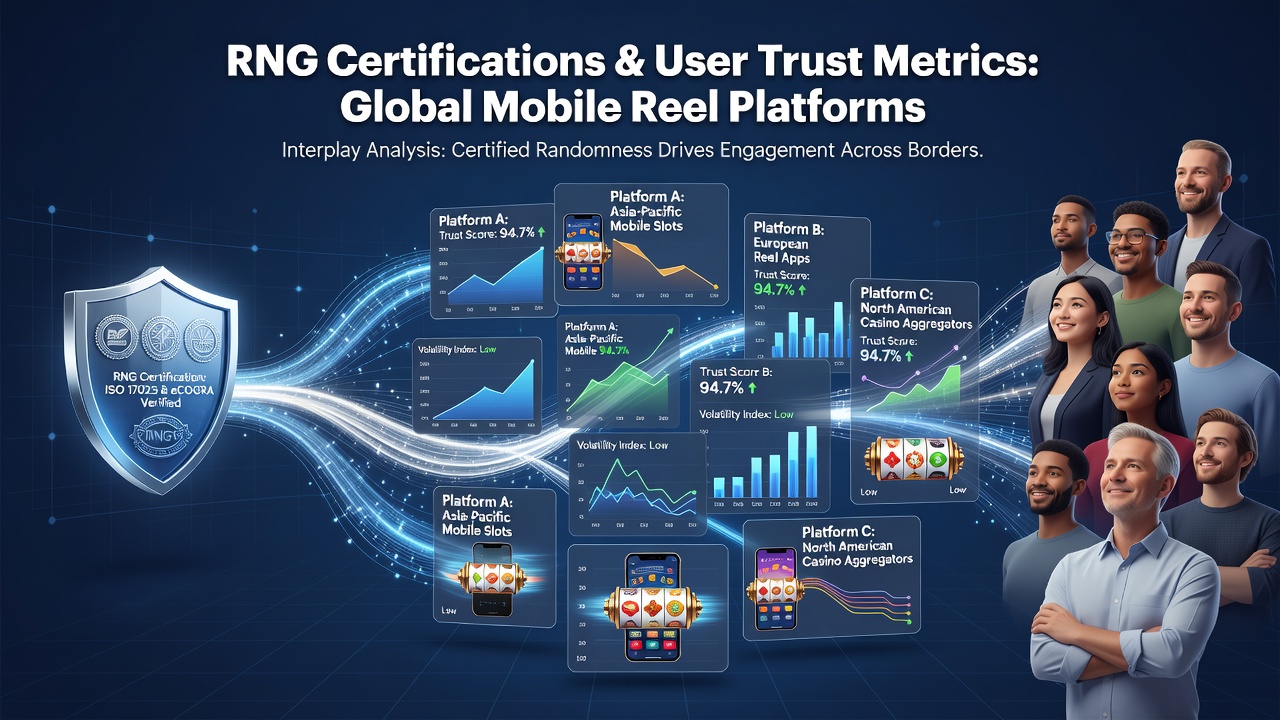
Random number generator certifications serve as foundational elements in mobile reel ecosystems where operators must demonstrate consistent fairness standards to regulatory bodies adn platform users alike, and these certifications directly influence measurable trust metrics such as session duration, deposit frequency, and retention rates across regions including Europe, Asia-Pacific, and North America.
Independent testing laboratories including Gaming Laboratories International and iTech Labs evaluate RNG algorithms against statistical benchmarks for randomness, distribution uniformity, and resistance to prediction, while platforms that secure these approvals often report higher engagement levels because users encounter verifiable proof of impartial outcome generation during reel spins.
Certification Processes and Their Technical Standards
Laboratories conduct extensive simulations that examine millions of spin sequences to confirm compliance with jurisdictional requirements, and once approved the certification remains valid for defined periods subject to ongoing audits that verify no code modifications have altered core randomness properties. Mobile platforms integrate these certified RNG modules into app architectures so that every reel outcome derives from the same validated seed generation methods regardless of device operating system or geographic location.
Data collected by platform analytics teams indicate that titles carrying active RNG certifications from multiple laboratories experience elevated trust scores in user surveys conducted by third-party research firms, because players recognize the external validation as evidence that results remain independent of operator influence.
Trust Metrics Measured on Mobile Reel Platforms
Trust metrics encompass quantitative indicators such as average revenue per user, complaint resolution times, and review sentiment scores aggregated from app stores and dedicated gaming forums, and researchers have documented correlations between the presence of visible certification badges and improved performance in these areas. In July 2026 several major platforms introduced enhanced in-app displays that link directly to current certification documents, resulting in measurable upticks in user-initiated verification checks according to internal platform reports.
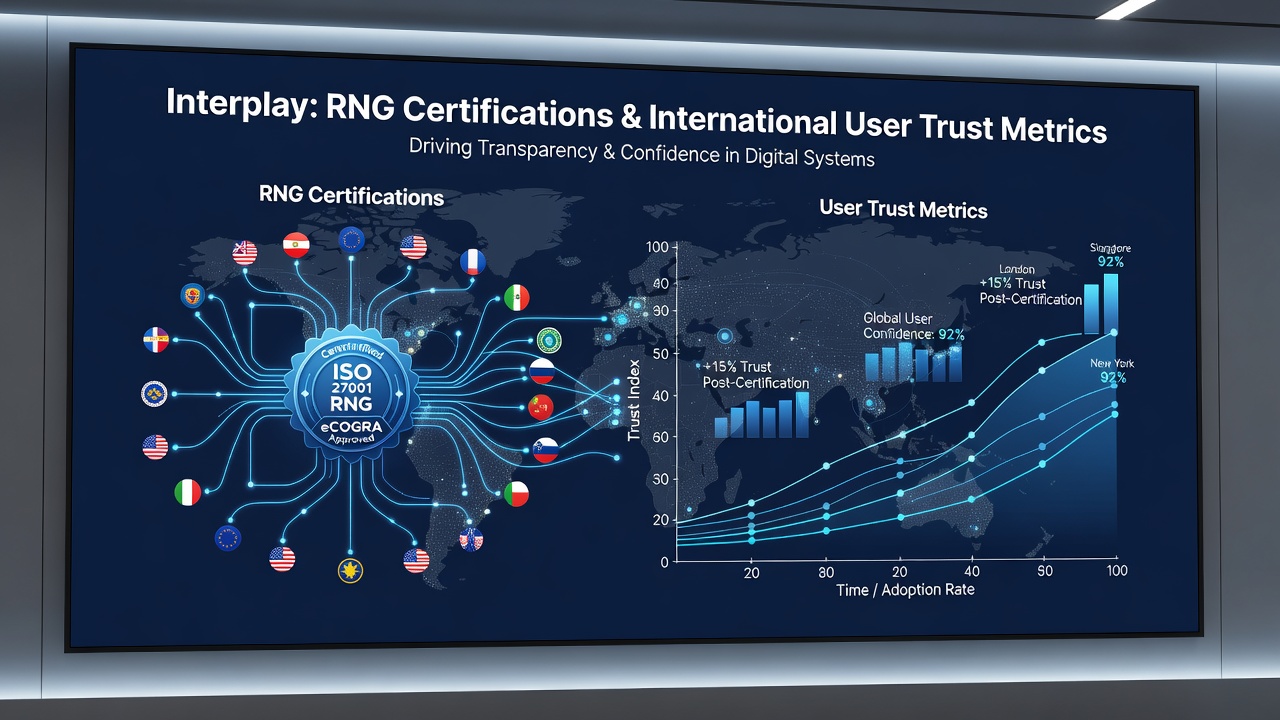
Regional variations appear clearly when comparing markets, because European users often prioritize certifications recognized by the Malta Gaming Authority while Asia-Pacific audiences respond more strongly to approvals issued by Singaporean or Australian testing entities, and these preferences shape how operators select which laboratory reports to highlight in localized marketing materials.
International Regulatory Alignment and Platform Adaptation
Operators managing global mobile reel portfolios must navigate differing certification timelines and renewal cycles across jurisdictions, yet those that maintain parallel approvals from multiple laboratories achieve broader market access while simultaneously strengthening aggregate trust metrics. Observers note that platforms displaying certification seals from both North American and European laboratories tend to record lower churn rates during regulatory transition periods because users perceive the dual validation as additional assurance of ongoing compliance.
Studies published in the Journal of Gambling Studies have examined how certification visibility affects decision-making processes, revealing that users presented with clear documentation links demonstrate higher willingness to extend play sessions and complete in-app purchases compared with those accessing uncertified titles.
Impact on User Behavior and Platform Economics
Behavioral data aggregated across international markets show that certified RNG implementations correlate with increased average session lengths, particularly on progressive reel titles where users track long-term outcome patterns, and this pattern holds after controlling for promotional factors. Platform operators respond by investing in real-time certification status dashboards that update automatically, allowing users to confirm current validity before committing funds.
Trust metrics also influence referral patterns because satisfied users cite certification transparency when recommending applications to peers, creating organic growth channels that reduce reliance on paid acquisition campaigns. In markets where multiple operators compete for the same audience, differentiation through laboratory accreditations becomes a practical strategy for maintaining competitive positioning.
Future Developments in Certification and Trust Integration
Emerging frameworks propose standardized digital certification passports that travel with the RNG module across platforms and jurisdictions, reducing duplication of testing efforts while preserving audit trails, and early pilot programs launched in 2026 have demonstrated feasibility for mobile-first implementations. These developments could further strengthen the linkage between certified systems and user trust metrics by enabling instant verification through secure API connections directly within reel applications.
Industry associations such as the European Gaming and Betting Association continue to publish guidance documents that help operators align certification strategies with evolving user expectations around transparency and accountability.
Conclusion
The relationship between RNG certifications and user trust metrics operates through multiple channels including regulatory compliance, visible documentation, and measurable behavioral outcomes across international mobile reel platforms. Platforms that prioritize multi-jurisdictional laboratory approvals consistently record stronger performance on key trust indicators because users receive concrete evidence of fairness mechanisms at work. Continued evolution in digital verification tools promises to deepen these connections while supporting broader market expansion.