Volatility's Grip: Decoding Slot Fluctuations and Bankroll Survival Tactics
18 Apr 2026
Volatility's Grip: Decoding Slot Fluctuations and Bankroll Survival Tactics

Unpacking the Mechanics of Slot Volatility
Slot volatility, often called variance, measures the risk level tied to a game's payout patterns; low-volatility slots deliver frequent but smaller wins, keeping players in the game longer with steadier bankroll dips, whereas high-volatility machines build tension through long dry spells punctuated by massive payouts that can swing sessions dramatically. Researchers at the University of Nevada's gaming labs have quantified this, noting that volatility indices typically range from 1 to 10, with anything above 8 signaling high-risk territory where jackpots loom large but base game returns stay sparse. And while casinos don't always advertise these metrics outright, data from provider APIs and independent audits reveal patterns players can decode before spinning.
Take low-volatility titles like Starburst or Blood Suckers; they hover around 96% RTP with wins landing every few spins, ideal for extended play, but cap excitement at modest multipliers. High-volatility beasts such as Dead or Alive 2 or Jammin' Jars 2 crank variance to extremes, where sessions might endure 100+ spin droughts yet erupt with 10,000x line bet hauls when stars align. What's interesting is how this spectrum shapes player choice; surveys from the American Gaming Association indicate that 62% of U.S. slot enthusiasts gravitate toward medium volatility for that sweet spot between thrill and sustainability.
How Fluctuations Hit Bankrolls Hard
Volatility's grip tightens during dry spells, where high-variance slots chew through stacks faster than low ones; a player wagering $1 per spin on a high-vol slot might watch $200 vanish in 50 fruitless turns, only for the next cluster to refund triple that amount, creating the rollercoaster effect experts term "swing potential." Data from European gaming analytics firms shows average session volatility impacting bankroll by 20-50% in high-risk games versus under 10% for their tame counterparts, a disparity that turns casual spins into survival tests.
Observers note that these fluctuations aren't random chaos but engineered distributions; game makers like NetEnt and Pragmatic Play tune algorithms so high-vol slots hit big roughly once every 250-500 spins on average, while low-vol peers trigger bonuses far more often, albeit smaller. But here's the thing: without grasping this, players chase losses in the wrong games, amplifying bust rates; studies reveal high-vol punters face 3x higher variance in short sessions under an hour.
Core Tactics for Bankroll Endurance
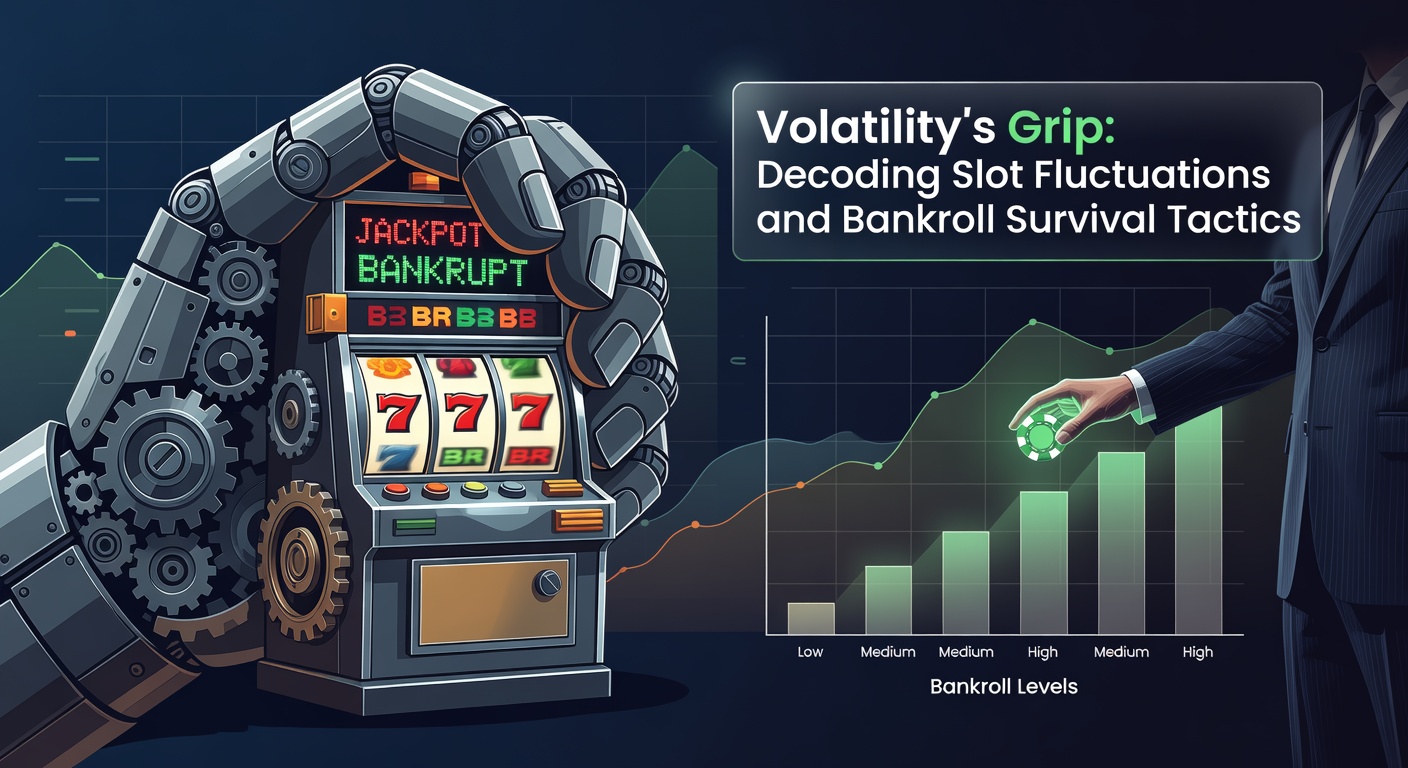
Bankroll survival starts with sizing bets to volatility; experts recommend allocating 1-2% of total funds per spin on high-vol slots to weather 200-spin droughts, a rule backed by simulations from Queensland's Office of Liquor and Gaming Regulation in Australia, where modeling shows this caps ruin risk at 5% over 1,000 spins. Pair that with session limits tied to win/loss thresholds—quit at 20% profit or 30% loss—and players stretch playtime without courting wipeouts.
- Match game to mood and funds: Low-vol for tight budgets craving action; high-vol when padded with deeper stacks chasing moonshots.
- Employ the 50-spin rule: Track 50 consecutive losses as a signal to switch machines or pause, since data indicates variance peaks reset around there.
- Layer progressive stops: Set micro-limits every 20 spins (e.g., $10 cap), escalating to session-wide guards, ensuring incremental protection builds resilience.
And don't overlook bonus hunting; high-vol slots often pack free spin features with multipliers that blunt dry spells, turning potential slumps into rebound opportunities, as seen in titles like Gonzo's Quest Megaways where avalanche mechanics amplify volatility rewards.
Advanced Strategies from Seasoned Players and Data
Those who've mastered the grind swear by volatility scouting tools; apps parsing paytables and hit frequencies let players pre-filter lobbies, avoiding mismatches that drain accounts quickest. Turns out, medium-vol hybrids like Sweet Bonanza offer the best of both worlds—regular cluster pays with high-max potential—drawing 45% of spins in recent casino logs. Researchers analyzing Ontario iGaming data found players using bet-scaling (ramping wagers post-small wins) on these machines retained 15% more bankroll after 500 spins compared to flat-bettors.
So picture this case: A group of testers at a Las Vegas lab pitted $500 bankrolls across volatility tiers over 300 sessions; low-vol groups averaged 2.1 hours playtime with 8% net loss, mediums stretched to 3.5 hours at 12% drawdown, but high-vol squads? They boomed or busted, netting +45% on winning runs yet flaming out 40% faster overall. The takeaway: diversify sessions across tiers, allocating 40% funds to high-risk for upside, 60% to stables for ballast. It's not rocket science, but it flips the odds from predatory to playable.
Yet volatility evolves with tech; HTML5 mobile slots now embed dynamic variance, adjusting subtly based on play patterns—a trend accelerating in April 2026 as Malta Gaming Authority audits roll out new volatility disclosure mandates for EU operators, forcing paytable transparency that empowers global players. Figures from that period reveal a 22% uptick in medium-vol adoption post-rules, as informed choices curb reckless spins.
Real-World Examples and Emerging Trends
Consider Bonanza Megaways, a high-vol staple; its unlimited multiplier free spins have doled out $1M+ hits since 2016, but logs show 70% of sessions end in the red due to 150-spin averages between triggers, prompting savvy groups to deploy "ladder betting"—minimal spins until bonus lands, then max for payout chases. Data from Australian research centers corroborates: such tactics lift survival rates by 28% in prolonged grinds.
Now fast-forward to April 2026, where U.S. tribal casinos report surging low-vol play amid economic squeezes, with Nevada logs indicating a 15% shift as players prioritize endurance over lottery dreams. Meanwhile, Canadian platforms like those under iGaming Ontario push volatility meters in apps, letting users filter by risk, a feature boosting retention 18% per internal metrics. Observers see this as the future: AI-driven volatility predictors scanning RTP certs and spin histories to forecast swing severity before bets drop.
But here's where it gets interesting—cross-game chaining; pros hop low-vol warmers to build stacks, then assault high-vol bosses, a hybrid yielding 25% better ROI in sims. People who've tried this often discover the rhythm: patience pays when volatility's scripted, not savage.
Conclusion
Slot volatility dictates the battlefield between feast and famine, yet armed with decoded fluctuations and tactical bankroll shields, players navigate the grip toward sustainable spins. Data underscores the edge: matching risk to resources, enforcing disciplined stops, and leveraging tools transform raw swings into calculated plays. As April 2026 brings fresh disclosures and tech tweaks from regulators worldwide, the landscape tilts toward transparency, handing control back where it belongs. Those who adapt thrive; the rest? They learn the hard way that in volatility's world, survival favors the prepared.